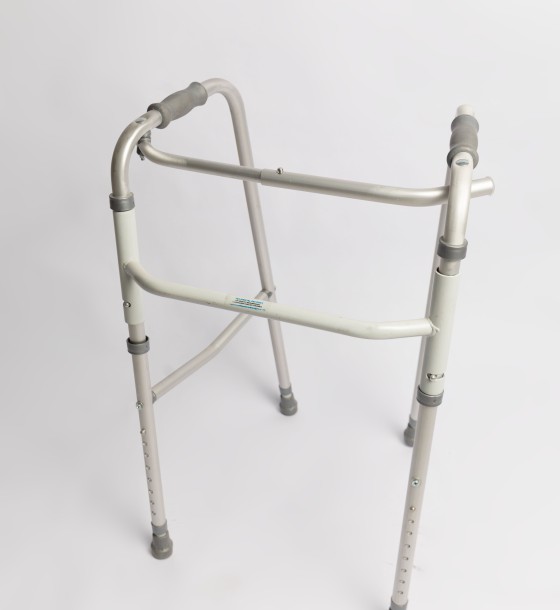
Walking without wheels
86.25
In Stock
A walker without wheels is an assistive device used by individuals who have difficulty walking or need additional support for balance and stability while moving. Unlike walkers with wheels, this type of walker requires the user to lift the device slightly while walking.
Features of a Walker Without Wheels:
Design:
-
Walkers without wheels are typically made of a lightweight metal frame such as aluminum.
-
They have handles at the top to provide support for the user while walking.
-
Since the walker lacks wheels, the user needs to lift it slightly during movement.
Materials:
-
These walkers are usually made of strong materials like steel or aluminum for durability and strength.
-
Handles are often made of comfortable materials like rubber or memory foam to provide extra comfort while gripping.
Comfort and Safety:
-
Walkers without wheels provide strong support while walking, helping to improve balance and reduce the risk of falls.
-
Since there are no wheels, the walker provides greater stability while moving on flat surfaces.
Ease of Use:
-
Walkers without wheels are easy to use but require the user to lift the device slightly while walking.
-
They are ideal for use in narrow spaces or on flat, even surfaces.
Common Uses of Walkers Without Wheels:
Post-Surgery or Injury Recovery: Used during recovery after surgery or injury to provide support and aid mobility.
Support for the Elderly: Seniors who need extra support to improve balance or reduce the risk of falling may use walkers without wheels.
Support on Flat Surfaces: People who need help maintaining balance while walking on flat surfaces may benefit from walkers without wheels.
Benefits:
-
Improved Balance and Stability: Helps improve balance and reduce the risk of falls while walking.
-
Ideal for Flat Surfaces: Provides stability on smooth, flat floors or surfaces.
-
Pressure Reduction on Joints: Helps distribute weight evenly, reducing stress on the knees and other joints.
Risks and Considerations:
-
Over-Reliance: Excessive reliance on the walker may lead to muscle or joint weakness if not used properly.
-
Movement Challenges: Users need to lift the walker while walking, which may be difficult in some situations or locations.
-
Limited Use on Uneven Surfaces: Walkers without wheels may not perform well on uneven or rough terrain.
Overall, a walker without wheels is an effective mobility aid that helps individuals improve their ability to walk and maintain stability, especially on flat surfaces.
A walker without wheels is an assistive device used by individuals who have difficulty walking or need additional support for balance and stability while moving. Unlike walkers with wheels, this type of walker requires the user to lift the device slightly while walking.
Features of a Walker Without Wheels:
Design:
-
Walkers without wheels are typically made of a lightweight metal frame such as aluminum.
-
They have handles at the top to provide support for the user while walking.
-
Since the walker lacks wheels, the user needs to lift it slightly during movement.
Materials:
-
These walkers are usually made of strong materials like steel or aluminum for durability and strength.
-
Handles are often made of comfortable materials like rubber or memory foam to provide extra comfort while gripping.
Comfort and Safety:
-
Walkers without wheels provide strong support while walking, helping to improve balance and reduce the risk of falls.
-
Since there are no wheels, the walker provides greater stability while moving on flat surfaces.
Ease of Use:
-
Walkers without wheels are easy to use but require the user to lift the device slightly while walking.
-
They are ideal for use in narrow spaces or on flat, even surfaces.
Common Uses of Walkers Without Wheels:
Post-Surgery or Injury Recovery: Used during recovery after surgery or injury to provide support and aid mobility.
Support for the Elderly: Seniors who need extra support to improve balance or reduce the risk of falling may use walkers without wheels.
Support on Flat Surfaces: People who need help maintaining balance while walking on flat surfaces may benefit from walkers without wheels.
Benefits:
-
Improved Balance and Stability: Helps improve balance and reduce the risk of falls while walking.
-
Ideal for Flat Surfaces: Provides stability on smooth, flat floors or surfaces.
-
Pressure Reduction on Joints: Helps distribute weight evenly, reducing stress on the knees and other joints.
Risks and Considerations:
-
Over-Reliance: Excessive reliance on the walker may lead to muscle or joint weakness if not used properly.
-
Movement Challenges: Users need to lift the walker while walking, which may be difficult in some situations or locations.
-
Limited Use on Uneven Surfaces: Walkers without wheels may not perform well on uneven or rough terrain.
Overall, a walker without wheels is an effective mobility aid that helps individuals improve their ability to walk and maintain stability, especially on flat surfaces.
0 Reviews for Walking without wheels