uterine curette 2

0.0

74.75

In Stock

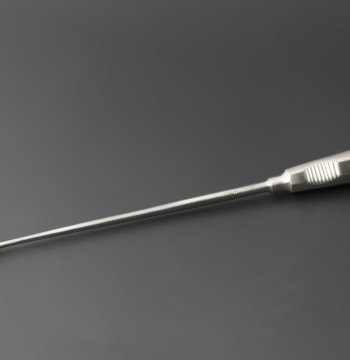
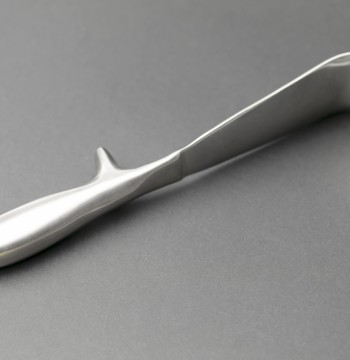
Uterine Curette 2 is another version of the uterine curette, designed specifically for use in gynecological procedures to scrape or remove tissue from the uterine lining (endometrium). It may have slight variations in size or shape compared to other types, depending on the specific procedure and the patient's needs.

Features of Uterine Curette 2:

  • Shape and Design: Like other curettes, it has a long, slender handle and a spoon-shaped or looped end to allow for easy and controlled scraping of the uterine lining.
  • Material: Typically made from high-quality, medical-grade stainless steel, ensuring durability, resistance to corrosion, and easy sterilization.
  • Sterile: Uterine curettes are usually sterile or can be sterilized to prevent infection during use.
  • Varied Sizes: The number (e.g., 2) may refer to the size or style of the curette. Uterine curette 2 is typically used for slightly larger procedures or deeper scraping.
  • Common Uses of Uterine Curette 2:

  • Dilation and Curettage (D&C): A procedure to remove abnormal tissue from the uterus, such as after a miscarriage, for heavy bleeding, or to diagnose uterine conditions.
  • Endometrial Biopsy: A uterine curette is used to remove small tissue samples from the endometrium for testing, especially when abnormal growths or suspected cancerous cells are present.
  • Removal of Polyps or Retained Tissue: It helps to remove polyps or leftover tissue from a previous miscarriage or abortion.
  • Treatment of Uterine Conditions: It can be used to treat conditions like endometrial hyperplasia (thickening of the uterine lining) or to remove scarring inside the uterus.
  • Benefits:

    • Precision: The curette allows for a controlled, precise removal of tissue from the uterus, reducing the risk of damage to surrounding tissues.
    • Safety: The use of sterile instruments ensures minimal risk of infection during medical procedures.
    • Versatility: The curette is designed for different gynecological conditions, making it an essential tool for a variety of treatments and diagnostic procedures.

    Risks and Considerations:

    • Infection: If the curette is not properly sterilized, it may introduce bacteria into the uterus.
    • Uterine Injury: Though rare, improper use of the curette may cause injury to the uterine walls.
    • Bleeding: Some bleeding is common after the procedure, and in rare cases, it may lead to complications.
    Free shipping on orders over 500 SAR
    Delivery within 1-3 business days
    Money back guarantee

    Uterine Curette 2 is another version of the uterine curette, designed specifically for use in gynecological procedures to scrape or remove tissue from the uterine lining (endometrium). It may have slight variations in size or shape compared to other types, depending on the specific procedure and the patient's needs.

    Features of Uterine Curette 2:

  • Shape and Design: Like other curettes, it has a long, slender handle and a spoon-shaped or looped end to allow for easy and controlled scraping of the uterine lining.
  • Material: Typically made from high-quality, medical-grade stainless steel, ensuring durability, resistance to corrosion, and easy sterilization.
  • Sterile: Uterine curettes are usually sterile or can be sterilized to prevent infection during use.
  • Varied Sizes: The number (e.g., 2) may refer to the size or style of the curette. Uterine curette 2 is typically used for slightly larger procedures or deeper scraping.
  • Common Uses of Uterine Curette 2:

  • Dilation and Curettage (D&C): A procedure to remove abnormal tissue from the uterus, such as after a miscarriage, for heavy bleeding, or to diagnose uterine conditions.
  • Endometrial Biopsy: A uterine curette is used to remove small tissue samples from the endometrium for testing, especially when abnormal growths or suspected cancerous cells are present.
  • Removal of Polyps or Retained Tissue: It helps to remove polyps or leftover tissue from a previous miscarriage or abortion.
  • Treatment of Uterine Conditions: It can be used to treat conditions like endometrial hyperplasia (thickening of the uterine lining) or to remove scarring inside the uterus.
  • Benefits:

    • Precision: The curette allows for a controlled, precise removal of tissue from the uterus, reducing the risk of damage to surrounding tissues.
    • Safety: The use of sterile instruments ensures minimal risk of infection during medical procedures.
    • Versatility: The curette is designed for different gynecological conditions, making it an essential tool for a variety of treatments and diagnostic procedures.

    Risks and Considerations:

    • Infection: If the curette is not properly sterilized, it may introduce bacteria into the uterus.
    • Uterine Injury: Though rare, improper use of the curette may cause injury to the uterine walls.
    • Bleeding: Some bleeding is common after the procedure, and in rare cases, it may lead to complications.

    Related Products

    Customers Also Bought