Surgical scalpel 4
17.25
In Stock
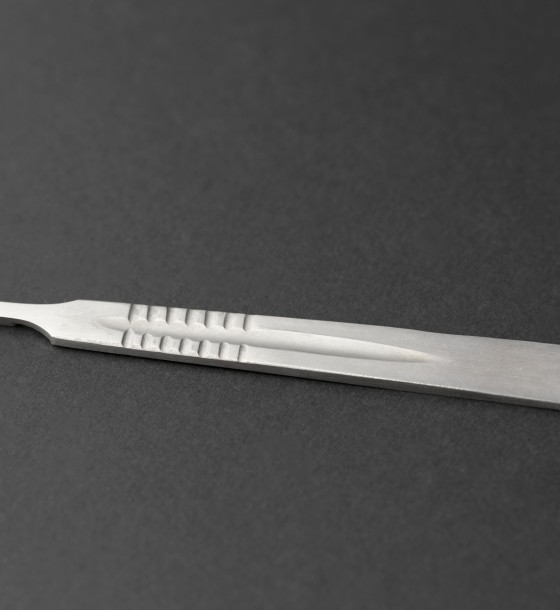
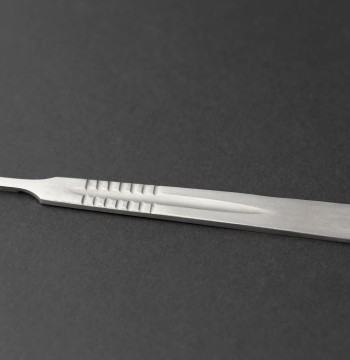
Scalpel No. 4 is a surgical instrument used for making precise and deeper incisions during surgeries. It is ideal for procedures that require larger and more controlled cuts compared to Scalpel No. 3.
Specifications of Scalpel No. 4:
✅ Handle: Made from stainless steel, known for its durability and strength. The handle is designed to be ergonomic and easy to grip, providing comfort for the surgeon during long procedures.
✅ Blade: Scalpel No. 4 uses larger blades compared to No. 3, allowing for wider and deeper incisions. Common blades used with this handle include No. 20, 21, or 22.
✅ Size: Slightly larger than No. 3, providing the ability to make deeper and wider cuts.
✅ Material: Made from stainless steel for resistance to rust, strength, and ease of sterilization.
✅ Usage: Primarily used for surgeries requiring larger or more complex incisions, such as deep tissue surgeries or bone procedures.
Uses of Scalpel No. 4:
???? Major General Surgery: Used for making larger incisions to access deeper tissues or internal organs.
???? Orthopedic Surgery: Ideal for surgeries that require deeper incisions to reach bones or surrounding tissues.
???? Abdominal Surgery: Used in procedures requiring access to internal organs, such as the intestines or stomach.
???? Vascular Surgery: Helpful for incisions in surgeries involving large blood vessels.
Types of Scalpel Blades for No. 4 Handle:
???? Blade No. 20: Commonly used for making larger incisions in the skin or soft tissues.
???? Blade No. 21: Used for deeper incisions, especially in general or orthopedic surgeries.
???? Blade No. 22: Ideal for creating even wider and deeper incisions to reach internal tissues.
Safety and Handling:
⚠️ Proper Sterilization: As with all surgical instruments, Scalpel No. 4 and its blades must be thoroughly sterilized before and after use to prevent infection.
⚠️ Careful Handling: Due to the larger size and sharpness of the blade, extreme care should be taken to avoid accidental injury during use.
⚠️ Safe Disposal: Used blades should be disposed of safely in designated sharps containers.
Scalpel No. 4 is a surgical instrument used for making precise and deeper incisions during surgeries. It is ideal for procedures that require larger and more controlled cuts compared to Scalpel No. 3.
Specifications of Scalpel No. 4:
✅ Handle: Made from stainless steel, known for its durability and strength. The handle is designed to be ergonomic and easy to grip, providing comfort for the surgeon during long procedures.
✅ Blade: Scalpel No. 4 uses larger blades compared to No. 3, allowing for wider and deeper incisions. Common blades used with this handle include No. 20, 21, or 22.
✅ Size: Slightly larger than No. 3, providing the ability to make deeper and wider cuts.
✅ Material: Made from stainless steel for resistance to rust, strength, and ease of sterilization.
✅ Usage: Primarily used for surgeries requiring larger or more complex incisions, such as deep tissue surgeries or bone procedures.
Uses of Scalpel No. 4:
???? Major General Surgery: Used for making larger incisions to access deeper tissues or internal organs.
???? Orthopedic Surgery: Ideal for surgeries that require deeper incisions to reach bones or surrounding tissues.
???? Abdominal Surgery: Used in procedures requiring access to internal organs, such as the intestines or stomach.
???? Vascular Surgery: Helpful for incisions in surgeries involving large blood vessels.
Types of Scalpel Blades for No. 4 Handle:
???? Blade No. 20: Commonly used for making larger incisions in the skin or soft tissues.
???? Blade No. 21: Used for deeper incisions, especially in general or orthopedic surgeries.
???? Blade No. 22: Ideal for creating even wider and deeper incisions to reach internal tissues.
Safety and Handling:
⚠️ Proper Sterilization: As with all surgical instruments, Scalpel No. 4 and its blades must be thoroughly sterilized before and after use to prevent infection.
⚠️ Careful Handling: Due to the larger size and sharpness of the blade, extreme care should be taken to avoid accidental injury during use.
⚠️ Safe Disposal: Used blades should be disposed of safely in designated sharps containers.
0 Reviews for Surgical scalpel 4
Related Products
Browse More
Customers Also Bought

158.70