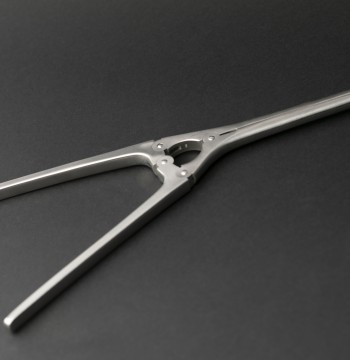
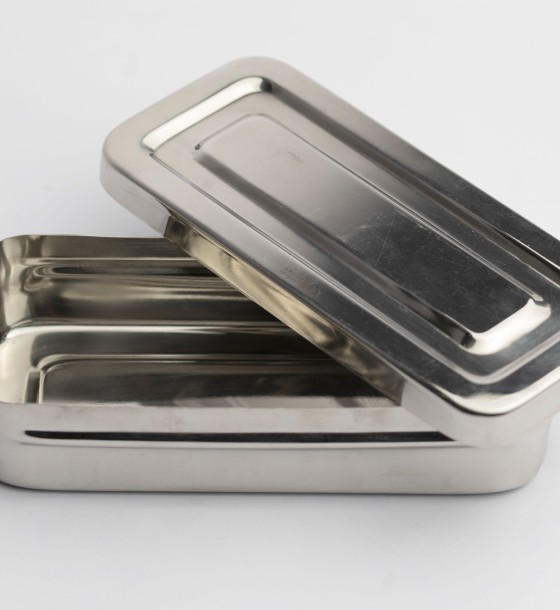
Storage of surgical instruments
161.00
In Stock
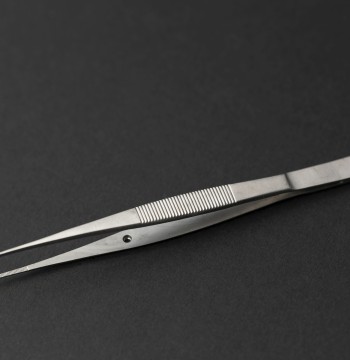
Surgical Instrument Storage is a crucial process to maintain the cleanliness, sterility, and readiness of surgical tools. Proper storage follows strict medical standards to ensure instrument safety and prevent contamination.
Methods of Storing Surgical Instruments:
Key Standards for Surgical Instrument Storage:
✔ Complete Sterilization – Instruments must be sterilized using autoclaves or chemical disinfectants before storage.
✔ Labeling & Organization – Instruments should be categorized and stored in designated areas for easy retrieval.
✔ Dry & Clean Environment – Storage areas should be dry to prevent corrosion or bacterial growth.
✔ Regular Inspection – Instruments should be periodically checked to ensure they remain in good condition and within their usability period.
Benefits of Proper Storage:
✅ Ensures Sterility & Protection from Contamination
✅ Extends the Lifespan of Surgical Instruments
✅ Provides Easy Access When Needed
✅ Enhances Efficiency in Hospitals & Clinics
Surgical Instrument Storage is a crucial process to maintain the cleanliness, sterility, and readiness of surgical tools. Proper storage follows strict medical standards to ensure instrument safety and prevent contamination.
Methods of Storing Surgical Instruments:
Key Standards for Surgical Instrument Storage:
✔ Complete Sterilization – Instruments must be sterilized using autoclaves or chemical disinfectants before storage.
✔ Labeling & Organization – Instruments should be categorized and stored in designated areas for easy retrieval.
✔ Dry & Clean Environment – Storage areas should be dry to prevent corrosion or bacterial growth.
✔ Regular Inspection – Instruments should be periodically checked to ensure they remain in good condition and within their usability period.
Benefits of Proper Storage:
✅ Ensures Sterility & Protection from Contamination
✅ Extends the Lifespan of Surgical Instruments
✅ Provides Easy Access When Needed
✅ Enhances Efficiency in Hospitals & Clinics
0 Reviews for Storage of surgical instruments