spinal needle
220.00
Out of Stock
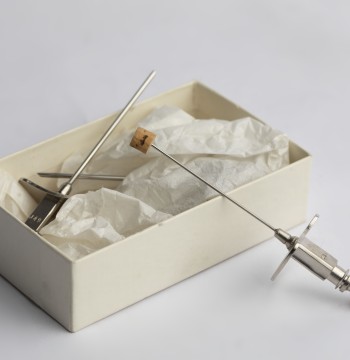
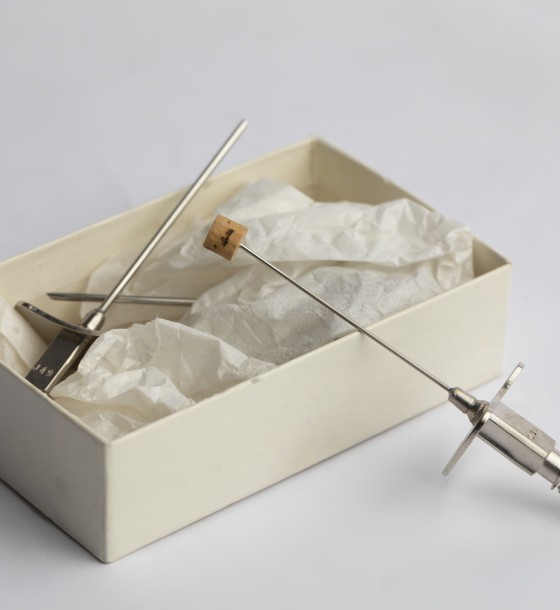
A spinal needle, also known as a lumbar puncture needle or spinal tap needle, is a medical tool used to insert a needle into the space between the vertebrae in the spine to access the cerebrospinal fluid that surrounds the spinal cord and nerves. This needle is used in various medical procedures, including lumbar puncture (spinal tap) and spinal anesthesia (epidural anesthesia).
Common Uses of the Spinal Needle:
Lumbar Puncture (Spinal Tap):
- It is used to extract a sample of cerebrospinal fluid (CSF) for examination, helping diagnose conditions such as meningitis, brain hemorrhage, neurological disorders, or multiple sclerosis.
Spinal Anesthesia:
- The spinal needle is used to administer anesthesia to the spinal cord during surgeries, such as cesarean section or lower body surgeries, providing local anesthesia to the lower part of the body.
Therapeutic Injections:
- A spinal needle may be used to inject medications directly into the spinal fluid or the spinal column to treat conditions like inflammation or severe pain.
How the Spinal Needle Works:
- The needle is typically inserted into the lower back area, between the lumbar vertebrae.
- The procedure is done carefully to avoid injury to the nerves or surrounding tissues.
- In a lumbar puncture, cerebrospinal fluid is drawn from between the vertebrae for analysis.
- In spinal anesthesia, medication is injected into the spinal fluid to numb the lower part of the body.
Advantages:
- High Accuracy: It helps accurately diagnose neurological diseases.
- Local Anesthesia: Provides effective numbing for a specific area without affecting the entire body.
- Relatively Simple Procedure: In most cases, it is a quick and straightforward procedure when performed by a skilled professional.
Disadvantages and Risks:
- Pain and Pressure: Some patients may experience discomfort or pressure during the insertion of the needle.
- Headache: After a lumbar puncture, some patients may suffer from a headache.
- Infection: There is a small risk of infection if the equipment is not properly sterilized.
- Nerve Injury: Although rare, there is a slight risk of nerve or tissue damage.
Summary:
A spinal needle is an essential medical tool used in procedures like lumbar puncture and spinal anesthesia. It provides significant benefits in diagnosing and treating neurological conditions. When performed under expert supervision, it is a generally safe procedure with critical diagnostic and therapeutic value.
A spinal needle, also known as a lumbar puncture needle or spinal tap needle, is a medical tool used to insert a needle into the space between the vertebrae in the spine to access the cerebrospinal fluid that surrounds the spinal cord and nerves. This needle is used in various medical procedures, including lumbar puncture (spinal tap) and spinal anesthesia (epidural anesthesia).
Common Uses of the Spinal Needle:
Lumbar Puncture (Spinal Tap):
- It is used to extract a sample of cerebrospinal fluid (CSF) for examination, helping diagnose conditions such as meningitis, brain hemorrhage, neurological disorders, or multiple sclerosis.
Spinal Anesthesia:
- The spinal needle is used to administer anesthesia to the spinal cord during surgeries, such as cesarean section or lower body surgeries, providing local anesthesia to the lower part of the body.
Therapeutic Injections:
- A spinal needle may be used to inject medications directly into the spinal fluid or the spinal column to treat conditions like inflammation or severe pain.
How the Spinal Needle Works:
- The needle is typically inserted into the lower back area, between the lumbar vertebrae.
- The procedure is done carefully to avoid injury to the nerves or surrounding tissues.
- In a lumbar puncture, cerebrospinal fluid is drawn from between the vertebrae for analysis.
- In spinal anesthesia, medication is injected into the spinal fluid to numb the lower part of the body.
Advantages:
- High Accuracy: It helps accurately diagnose neurological diseases.
- Local Anesthesia: Provides effective numbing for a specific area without affecting the entire body.
- Relatively Simple Procedure: In most cases, it is a quick and straightforward procedure when performed by a skilled professional.
Disadvantages and Risks:
- Pain and Pressure: Some patients may experience discomfort or pressure during the insertion of the needle.
- Headache: After a lumbar puncture, some patients may suffer from a headache.
- Infection: There is a small risk of infection if the equipment is not properly sterilized.
- Nerve Injury: Although rare, there is a slight risk of nerve or tissue damage.
Summary:
A spinal needle is an essential medical tool used in procedures like lumbar puncture and spinal anesthesia. It provides significant benefits in diagnosing and treating neurological conditions. When performed under expert supervision, it is a generally safe procedure with critical diagnostic and therapeutic value.
0 Reviews for spinal needle