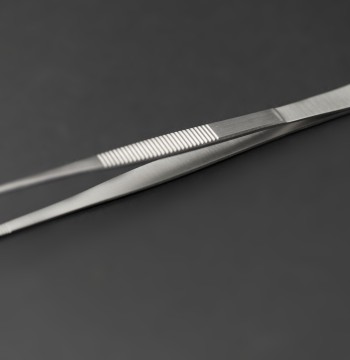

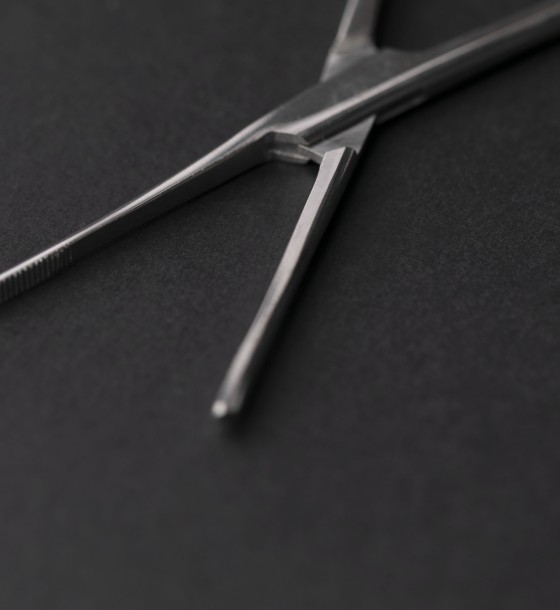
Ophthalmic Instruments curved 18 english
138.00
In Stock
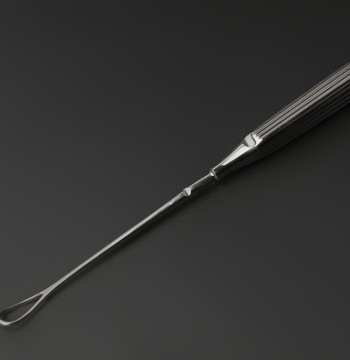
Curved Ophthalmic Instruments 18 refers to a set of specialized curved tools used in ophthalmology, designed for precise and delicate procedures involving the eye. The number "18" typically refers to the size or length of the instrument. Curved instruments are essential in eye surgeries and examinations, especially for accessing difficult-to-reach areas of the eye or around the eye.
Types of Curved Ophthalmic Instruments 18:
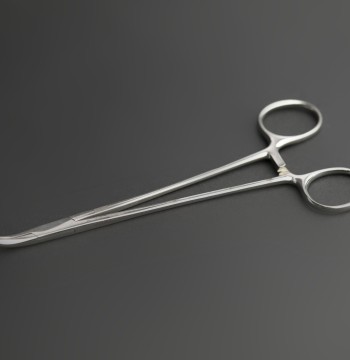
Curved Forceps 18:
- Used for grasping delicate tissues or small parts during ophthalmic surgeries like retinal surgery or cataract removal.
- The curved design allows for better maneuverability in hard-to-reach areas of the eye.
Curved Needles 18:
- Employed in eye surgeries for suturing or closing incisions, especially in areas where access is limited.
- They are often used in delicate procedures like retinal surgeries or cataract surgeries to close the incisions with precision.
Curved Scissors 18:
- Used to cut tissues or small parts of the eye or its surrounding structures with high precision.
- Commonly used in cataract surgeries, corneal surgeries, and other delicate ophthalmic procedures.
Curved Probe 18:
- Used for probing the eye or eye pathways such as tear ducts or measuring intraocular pressure.
- Helpful in diagnosing conditions like glaucoma or tear duct obstructions.
Uses of Curved Instruments 18 in Ophthalmology:
- Surgery: Curved instruments are commonly used in intricate surgeries such as glaucoma treatment, retinal surgeries, or cataract removal, where access to specific eye areas is necessary.
- Examinations: They are used for examining areas of the eye that are hard to reach, such as tear ducts or deeper layers of the eye.
- Treatment: Curved tools are used for performing treatments such as injecting medications or performing minor procedures inside the eye.
Advantages:
- High Precision: Curved ophthalmic tools provide greater accuracy when handling delicate tissues or performing complex procedures.
- Improved Access: The curved design allows for better access to areas that are otherwise difficult to reach with straight instruments.
- Enhanced Control: These instruments provide more control, allowing ophthalmologists to conduct surgeries with greater precision.
Curved Ophthalmic Instruments 18 refers to a set of specialized curved tools used in ophthalmology, designed for precise and delicate procedures involving the eye. The number "18" typically refers to the size or length of the instrument. Curved instruments are essential in eye surgeries and examinations, especially for accessing difficult-to-reach areas of the eye or around the eye.
Types of Curved Ophthalmic Instruments 18:
Curved Forceps 18:
- Used for grasping delicate tissues or small parts during ophthalmic surgeries like retinal surgery or cataract removal.
- The curved design allows for better maneuverability in hard-to-reach areas of the eye.
Curved Needles 18:
- Employed in eye surgeries for suturing or closing incisions, especially in areas where access is limited.
- They are often used in delicate procedures like retinal surgeries or cataract surgeries to close the incisions with precision.
Curved Scissors 18:
- Used to cut tissues or small parts of the eye or its surrounding structures with high precision.
- Commonly used in cataract surgeries, corneal surgeries, and other delicate ophthalmic procedures.
Curved Probe 18:
- Used for probing the eye or eye pathways such as tear ducts or measuring intraocular pressure.
- Helpful in diagnosing conditions like glaucoma or tear duct obstructions.
Uses of Curved Instruments 18 in Ophthalmology:
- Surgery: Curved instruments are commonly used in intricate surgeries such as glaucoma treatment, retinal surgeries, or cataract removal, where access to specific eye areas is necessary.
- Examinations: They are used for examining areas of the eye that are hard to reach, such as tear ducts or deeper layers of the eye.
- Treatment: Curved tools are used for performing treatments such as injecting medications or performing minor procedures inside the eye.
Advantages:
- High Precision: Curved ophthalmic tools provide greater accuracy when handling delicate tissues or performing complex procedures.
- Improved Access: The curved design allows for better access to areas that are otherwise difficult to reach with straight instruments.
- Enhanced Control: These instruments provide more control, allowing ophthalmologists to conduct surgeries with greater precision.
0 Reviews for Ophthalmic Instruments curved 18 english