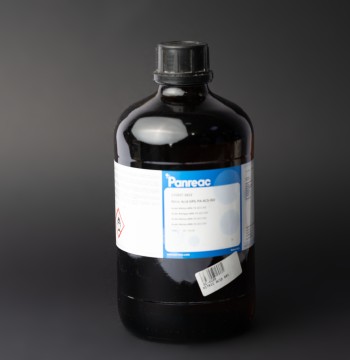
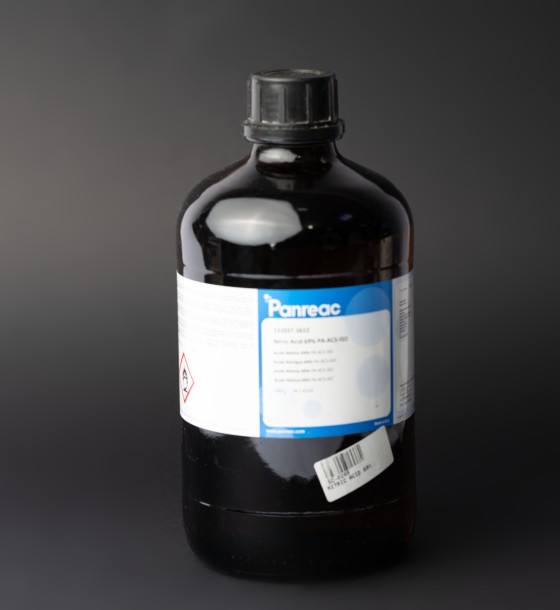
NITRIC ACID

0.0

520.00

Out of Stock

Nitric Acid (HNO₃) is a strong, inorganic acid commonly used in various industrial and scientific applications. It is known for its reactive properties and high acidity.

Chemical Properties of Nitric Acid:

  • Chemical Formula: HNO₃.
  • Color: Pure nitric acid is usually colorless, but it can turn yellow or brown when it contains nitrogen oxides.
  • Composition: It is composed of nitrogen (N), oxygen (O), and hydrogen (H).
  • Nature: It is a strong acid with a high reactivity, capable of reacting with a wide range of materials.
  • Odor: It has a sharp, pungent smell.
  • Common Uses of Nitric Acid:

  • Fertilizer Production: Nitric acid is primarily used in the production of fertilizers, such as ammonium nitrate, which is used in chemical fertilizers.
  • Explosive Production: It is used in the manufacture of explosives like TNT and other nitrated compounds.
  • Pharmaceutical Manufacturing: It is used in the production of certain drugs and medicinal products.
  • Metal Cleaning: Nitric acid is used to clean metals and remove oxides, especially in electronics manufacturing and metal treatment processes.
  • Chemical Synthesis: It is involved in the production of other chemicals, such as sodium nitrate or potassium nitrate.
  • Scientific Research: It is used in laboratories for various chemical reactions.
  • Hazards and Precautions:

  • Reactivity: Nitric acid can react violently with many substances, which could lead to explosions or hazardous reactions.
  • Corrosiveness: It is highly corrosive, which means it can damage tissues or materials if mishandled.
  • Inhalation or Contact: Inhaling vapors or direct contact with nitric acid can cause severe damage. Immediate washing with water is recommended if exposed.
  • Safety Precautions:

    • Storage: Nitric acid should be stored in tightly sealed containers away from flammable or explosive materials.
    • Protective Gear: It is important to wear protective equipment, such as gloves and safety goggles, when handling nitric acid.
    • Ventilation: Use nitric acid in well-ventilated areas or under a fume hood to minimize exposure to vapors.
    Free shipping on orders over 500 SAR
    Delivery within 1-3 business days
    Money back guarantee

    Nitric Acid (HNO₃) is a strong, inorganic acid commonly used in various industrial and scientific applications. It is known for its reactive properties and high acidity.

    Chemical Properties of Nitric Acid:

  • Chemical Formula: HNO₃.
  • Color: Pure nitric acid is usually colorless, but it can turn yellow or brown when it contains nitrogen oxides.
  • Composition: It is composed of nitrogen (N), oxygen (O), and hydrogen (H).
  • Nature: It is a strong acid with a high reactivity, capable of reacting with a wide range of materials.
  • Odor: It has a sharp, pungent smell.
  • Common Uses of Nitric Acid:

  • Fertilizer Production: Nitric acid is primarily used in the production of fertilizers, such as ammonium nitrate, which is used in chemical fertilizers.
  • Explosive Production: It is used in the manufacture of explosives like TNT and other nitrated compounds.
  • Pharmaceutical Manufacturing: It is used in the production of certain drugs and medicinal products.
  • Metal Cleaning: Nitric acid is used to clean metals and remove oxides, especially in electronics manufacturing and metal treatment processes.
  • Chemical Synthesis: It is involved in the production of other chemicals, such as sodium nitrate or potassium nitrate.
  • Scientific Research: It is used in laboratories for various chemical reactions.
  • Hazards and Precautions:

  • Reactivity: Nitric acid can react violently with many substances, which could lead to explosions or hazardous reactions.
  • Corrosiveness: It is highly corrosive, which means it can damage tissues or materials if mishandled.
  • Inhalation or Contact: Inhaling vapors or direct contact with nitric acid can cause severe damage. Immediate washing with water is recommended if exposed.
  • Safety Precautions:

    • Storage: Nitric acid should be stored in tightly sealed containers away from flammable or explosive materials.
    • Protective Gear: It is important to wear protective equipment, such as gloves and safety goggles, when handling nitric acid.
    • Ventilation: Use nitric acid in well-ventilated areas or under a fume hood to minimize exposure to vapors.

    Related Products

    Customers Also Bought