medical film 24*30

0.0

845.00

Out of Stock

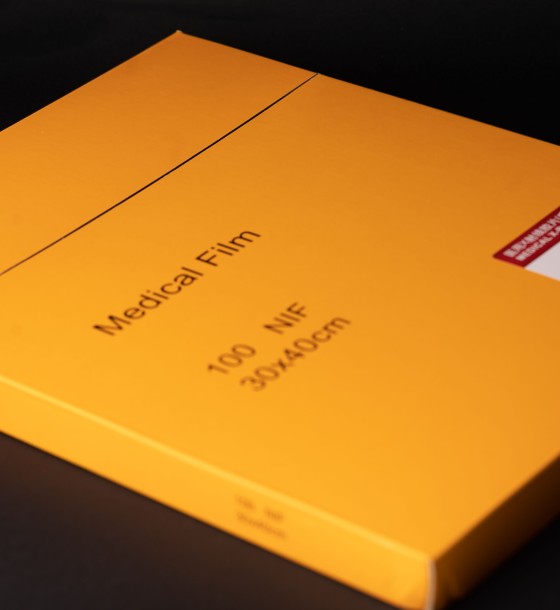
Medical Film 24*30 refers to a larger size of radiographic film used in medical imaging procedures, such as X-rays, CT scans, and other diagnostic imaging techniques. The 24x30 cm size is typically used when a larger area of the body needs to be captured, such as for chest X-rays or imaging of larger body parts like the abdomen, spine, or pelvis.

Features of Medical Film 24*30:

  • Size: The 24 cm x 30 cm dimensions are ideal for capturing images of larger body parts, providing sufficient space for a more comprehensive view of the area being examined.
  • Radiographic Quality: The film is designed to produce high-resolution images that provide clear, detailed views necessary for accurate diagnosis.
  • Sensitivity: Medical films like this are highly sensitive to X-rays, ensuring proper exposure to create clear images for medical analysis.
  • Durability: The film is made of materials that resist fading and deterioration, ensuring long-term storage of high-quality images.

Uses of Medical Film 24*30:

  • Chest X-rays: One of the most common uses of the 24x30 film is for chest radiography, which allows for a clear view of the lungs, heart, and surrounding structures.
  • Abdominal Imaging: It is often used for imaging larger areas such as the abdomen, helping doctors diagnose conditions affecting internal organs like the stomach, liver, or intestines.
  • Spinal Imaging: This film size is useful for capturing images of the spine, especially for identifying issues like fractures, alignment problems, or degenerative diseases.
  • Pelvic Imaging: This size is ideal for imaging the pelvic area, including the hips, pelvis, and surrounding structures.
  • Orthopedic Imaging: Used for imaging larger fractures, joint issues, and other orthopedic conditions.
  • How It Works:

  • Exposure: The film is placed in a cassette and exposed to X-rays, which pass through the body and create an image on the film.
  • Development: After exposure, the film is processed in a darkroom with chemicals that develop the image created by the X-rays.
  • Interpretation: The developed image is then reviewed by medical professionals to make diagnoses, assess injuries, or identify any medical conditions.
  • Free shipping on orders over 500 SAR
    Delivery within 1-3 business days
    Money back guarantee

    Medical Film 24*30 refers to a larger size of radiographic film used in medical imaging procedures, such as X-rays, CT scans, and other diagnostic imaging techniques. The 24x30 cm size is typically used when a larger area of the body needs to be captured, such as for chest X-rays or imaging of larger body parts like the abdomen, spine, or pelvis.

    Features of Medical Film 24*30:

    • Size: The 24 cm x 30 cm dimensions are ideal for capturing images of larger body parts, providing sufficient space for a more comprehensive view of the area being examined.
    • Radiographic Quality: The film is designed to produce high-resolution images that provide clear, detailed views necessary for accurate diagnosis.
    • Sensitivity: Medical films like this are highly sensitive to X-rays, ensuring proper exposure to create clear images for medical analysis.
    • Durability: The film is made of materials that resist fading and deterioration, ensuring long-term storage of high-quality images.

    Uses of Medical Film 24*30:

  • Chest X-rays: One of the most common uses of the 24x30 film is for chest radiography, which allows for a clear view of the lungs, heart, and surrounding structures.
  • Abdominal Imaging: It is often used for imaging larger areas such as the abdomen, helping doctors diagnose conditions affecting internal organs like the stomach, liver, or intestines.
  • Spinal Imaging: This film size is useful for capturing images of the spine, especially for identifying issues like fractures, alignment problems, or degenerative diseases.
  • Pelvic Imaging: This size is ideal for imaging the pelvic area, including the hips, pelvis, and surrounding structures.
  • Orthopedic Imaging: Used for imaging larger fractures, joint issues, and other orthopedic conditions.
  • How It Works:

  • Exposure: The film is placed in a cassette and exposed to X-rays, which pass through the body and create an image on the film.
  • Development: After exposure, the film is processed in a darkroom with chemicals that develop the image created by the X-rays.
  • Interpretation: The developed image is then reviewed by medical professionals to make diagnoses, assess injuries, or identify any medical conditions.
  • Related Products

    Customers Also Bought