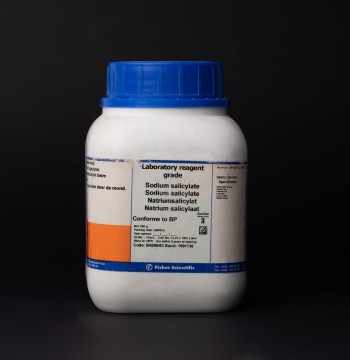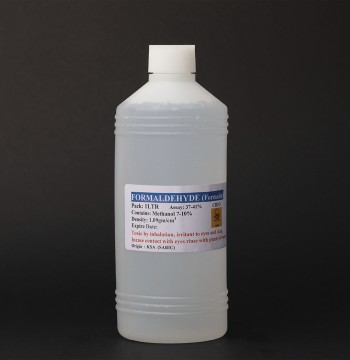
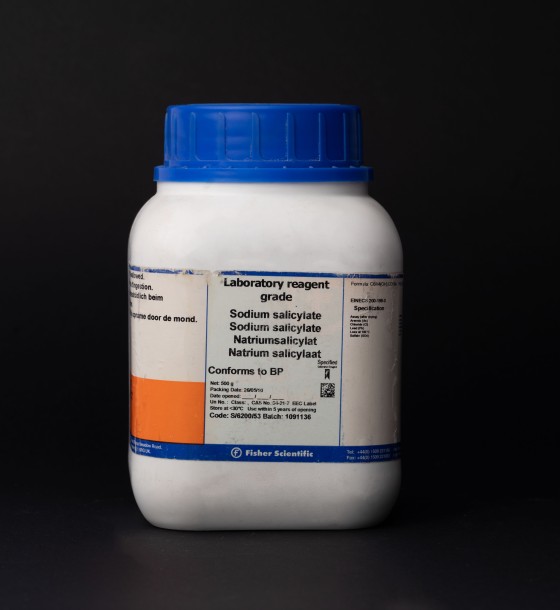
laboratory regent grade
260.00
Out of Stock
Laboratory Reagent Grade refers to the purity or quality of the chemicals or reagents used in laboratory experiments. These reagents must be of high quality and suitable for use in precise scientific tests and experiments. Reagents are typically classified according to their purity and intended use.
Types of Laboratory Reagent Grades:
Analytical Grade (AG):
- This is the highest purity grade for reagents, used in precise applications like chemical analysis in laboratories.
- These reagents typically have a purity of 99.9% or higher.
- Used in tests requiring extreme accuracy, such as pharmaceutical or chemical analysis.
Technical Grade:
- These reagents have lower purity compared to Analytical Grade and are used in industrial applications or experiments that don't require high precision.
- They may contain impurities that don't significantly affect results but would be unsuitable for highly sensitive experiments.
Pharmaceutical Grade:
- These reagents are used in drug manufacturing or medical applications. They must be pure enough to be safely used in the creation of medicines or medical tests.
- These reagents are tested to ensure they do not contain harmful impurities that might affect the safety of pharmaceuticals.
Food Grade:
- These reagents are used in the food industry or for food-related testing. They must be safe for human consumption and free from harmful substances.
- While their purity may be lower than that of pharmaceutical-grade reagents, they are safe for use in food products.
Reagent Grade (Educational or General Purpose):
- These reagents are typically used in educational or general purpose experiments where high precision is not critical.
- They usually have a lower purity compared to Analytical Grade reagents.
How to Choose the Right Reagent Grade:
- For precise applications: If you need highly accurate results (e.g., pharmaceutical or chemical analysis), choose Analytical Grade reagents.
- For industrial or educational applications: If the experiment does not require extreme precision, Technical Grade or Reagent Grade chemicals may be suitable.
- For food or pharmaceutical use: Always select Pharmaceutical or Food Grade reagents depending on the required safety standards.
Impact of Reagent Grade on Results:
- Higher grade reagents provide more purity, reducing the risk of impurities interfering with chemical reactions or experiments.
- Lower grade reagents may contain impurities that can affect the accuracy of results or lead to unreliable outcomes.
Precautions When Using Reagents:
⚠️ Always ensure you choose the appropriate reagent grade for the intended purpose.
⚠️ Check the expiration date of reagents to ensure they are still effective and of high quality.
⚠️ Store reagents properly according to their type (e.g., appropriate temperature or humidity conditions).
Laboratory Reagent Grade refers to the purity or quality of the chemicals or reagents used in laboratory experiments. These reagents must be of high quality and suitable for use in precise scientific tests and experiments. Reagents are typically classified according to their purity and intended use.
Types of Laboratory Reagent Grades:
Analytical Grade (AG):
- This is the highest purity grade for reagents, used in precise applications like chemical analysis in laboratories.
- These reagents typically have a purity of 99.9% or higher.
- Used in tests requiring extreme accuracy, such as pharmaceutical or chemical analysis.
Technical Grade:
- These reagents have lower purity compared to Analytical Grade and are used in industrial applications or experiments that don't require high precision.
- They may contain impurities that don't significantly affect results but would be unsuitable for highly sensitive experiments.
Pharmaceutical Grade:
- These reagents are used in drug manufacturing or medical applications. They must be pure enough to be safely used in the creation of medicines or medical tests.
- These reagents are tested to ensure they do not contain harmful impurities that might affect the safety of pharmaceuticals.
Food Grade:
- These reagents are used in the food industry or for food-related testing. They must be safe for human consumption and free from harmful substances.
- While their purity may be lower than that of pharmaceutical-grade reagents, they are safe for use in food products.
Reagent Grade (Educational or General Purpose):
- These reagents are typically used in educational or general purpose experiments where high precision is not critical.
- They usually have a lower purity compared to Analytical Grade reagents.
How to Choose the Right Reagent Grade:
- For precise applications: If you need highly accurate results (e.g., pharmaceutical or chemical analysis), choose Analytical Grade reagents.
- For industrial or educational applications: If the experiment does not require extreme precision, Technical Grade or Reagent Grade chemicals may be suitable.
- For food or pharmaceutical use: Always select Pharmaceutical or Food Grade reagents depending on the required safety standards.
Impact of Reagent Grade on Results:
- Higher grade reagents provide more purity, reducing the risk of impurities interfering with chemical reactions or experiments.
- Lower grade reagents may contain impurities that can affect the accuracy of results or lead to unreliable outcomes.
Precautions When Using Reagents:
⚠️ Always ensure you choose the appropriate reagent grade for the intended purpose.
⚠️ Check the expiration date of reagents to ensure they are still effective and of high quality.
⚠️ Store reagents properly according to their type (e.g., appropriate temperature or humidity conditions).
0 Reviews for laboratory regent grade