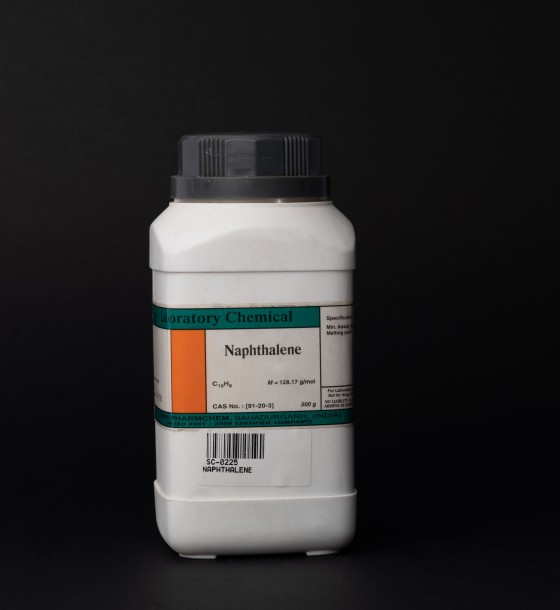
laboratory chemical
182.00
In Stock
Laboratory Chemicals are substances used in scientific research and experiments in fields such as chemistry, biology, physics, and pharmaceuticals. These chemicals are essential for chemical analyses, reactions, and sample processing, and they must have high purity levels to ensure accurate results.
Types of Laboratory Chemicals:
???? Acids and Bases – Such as hydrochloric acid (HCl) and sodium hydroxide (NaOH), used in titrations and chemical reactions.
???? Organic Solvents – Such as ethanol and acetone, used in extractions and chemical separations.
???? Salts and Inorganic Compounds – Such as copper sulfate and sodium chloride, used in analysis and reactions.
???? Chemical Indicators – Such as phenolphthalein and bromothymol blue, used to determine the nature of solutions.
???? Chemical Reagents – Specialized substances used to detect the presence of specific elements or compounds in a sample.
Features of Laboratory Chemicals:
✅ High purity levels to ensure accurate scientific results.
✅ Available in different forms, such as liquids, powders, and gases, depending on the application.
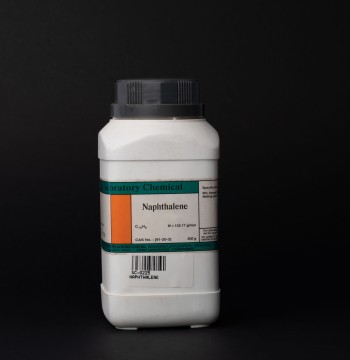
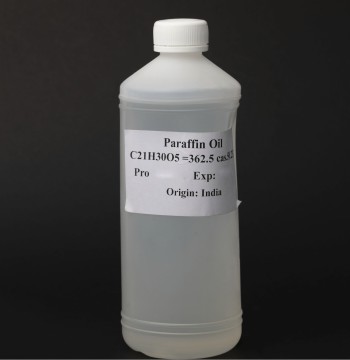
✅ Stored in sealed containers to maintain quality and safety.
✅ Used in various fields, including scientific research, pharmaceuticals, and food analysis.
Safety Precautions When Handling Laboratory Chemicals:
⚠️ Wear personal protective equipment (PPE) such as gloves, safety goggles, and lab coats.
⚠️ Store chemicals in appropriate conditions according to safety guidelines.
⚠️ Handle flammable or toxic substances carefully following safety regulations.
⚠️ Dispose of chemical waste safely according to environmental regulations.
Laboratory Chemicals are substances used in scientific research and experiments in fields such as chemistry, biology, physics, and pharmaceuticals. These chemicals are essential for chemical analyses, reactions, and sample processing, and they must have high purity levels to ensure accurate results.
Types of Laboratory Chemicals:
???? Acids and Bases – Such as hydrochloric acid (HCl) and sodium hydroxide (NaOH), used in titrations and chemical reactions.
???? Organic Solvents – Such as ethanol and acetone, used in extractions and chemical separations.
???? Salts and Inorganic Compounds – Such as copper sulfate and sodium chloride, used in analysis and reactions.
???? Chemical Indicators – Such as phenolphthalein and bromothymol blue, used to determine the nature of solutions.
???? Chemical Reagents – Specialized substances used to detect the presence of specific elements or compounds in a sample.
Features of Laboratory Chemicals:
✅ High purity levels to ensure accurate scientific results.
✅ Available in different forms, such as liquids, powders, and gases, depending on the application.
✅ Stored in sealed containers to maintain quality and safety.
✅ Used in various fields, including scientific research, pharmaceuticals, and food analysis.
Safety Precautions When Handling Laboratory Chemicals:
⚠️ Wear personal protective equipment (PPE) such as gloves, safety goggles, and lab coats.
⚠️ Store chemicals in appropriate conditions according to safety guidelines.
⚠️ Handle flammable or toxic substances carefully following safety regulations.
⚠️ Dispose of chemical waste safely according to environmental regulations.
0 Reviews for laboratory chemical
Related Products
182.00

39.01
260.00

52.00

20.80

92.57