jeringa anesthesia
92.00
In Stock
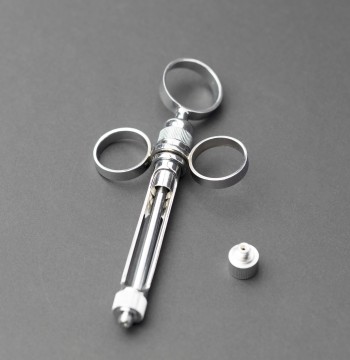
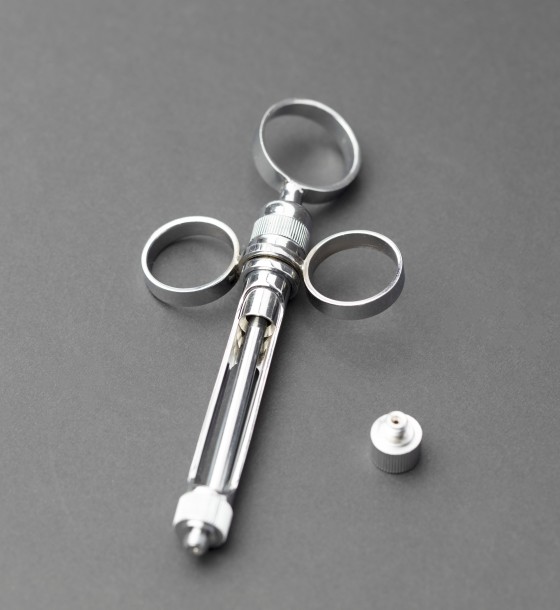
Anesthesia Syringe is a specialized medical syringe used to administer anesthetic agents for numbing specific areas of the body during medical or dental procedures. These syringes are designed for precise and controlled delivery of anesthesia.
Types of Anesthesia Syringes:
Aspirating Syringe:
- Commonly used in dentistry.
- Features a harpoon mechanism to aspirate and check if the needle is in a blood vessel before injection.
Non-Aspirating Syringe:
- Lacks the aspiration mechanism.
- Used when blood vessel penetration is not a major concern.
Cartridge Syringe:
- Designed for use with anesthetic cartridges instead of traditional vials.
- Provides convenience and sterility in dental and medical procedures.
Disposable Anesthesia Syringe:
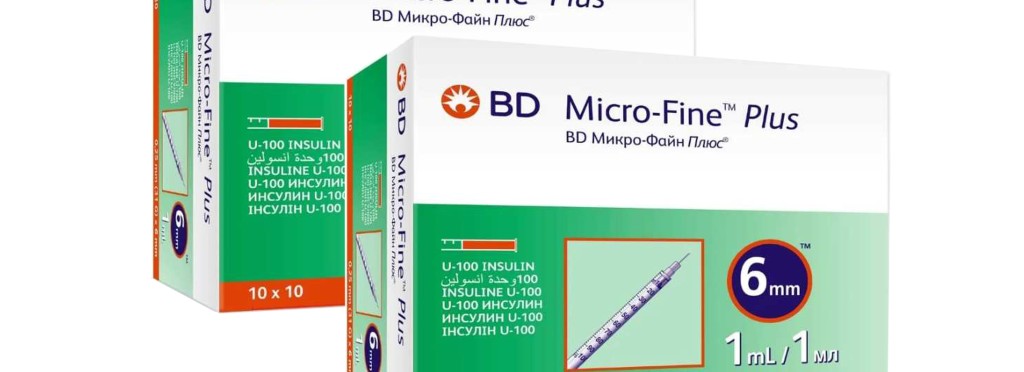
- Single-use syringes to prevent contamination and infection.
- Common in hospitals and clinics.
Key Features:
✅ Ergonomic Design: Allows for precise control and comfortable handling.
✅ Stainless Steel Construction: Durable and resistant to corrosion.
✅ Aspirating Mechanism (in some types): Ensures safe administration of anesthesia.
✅ Compatibility with Needles and Cartridges: Designed for use with standard anesthetic cartridges and needles.
Uses of Anesthesia Syringes:
- Dental Procedures: Local anesthesia for tooth extractions, root canals, and fillings.
- Medical Surgeries: Administering local anesthesia before minor surgical interventions.
- Cosmetic Procedures: Used in dermatology and plastic surgery for numbing targeted areas.
Safety and Precautions:
???? Ensure proper sterilization for reusable syringes.
???? Use the correct needle gauge and length for the procedure.
???? Check for allergies before administering anesthesia.
???? Dispose of single-use syringes properly to prevent infections.
Anesthesia Syringe is a specialized medical syringe used to administer anesthetic agents for numbing specific areas of the body during medical or dental procedures. These syringes are designed for precise and controlled delivery of anesthesia.
Types of Anesthesia Syringes:
Aspirating Syringe:
- Commonly used in dentistry.
- Features a harpoon mechanism to aspirate and check if the needle is in a blood vessel before injection.
Non-Aspirating Syringe:
- Lacks the aspiration mechanism.
- Used when blood vessel penetration is not a major concern.
Cartridge Syringe:
- Designed for use with anesthetic cartridges instead of traditional vials.
- Provides convenience and sterility in dental and medical procedures.
Disposable Anesthesia Syringe:
- Single-use syringes to prevent contamination and infection.
- Common in hospitals and clinics.
Key Features:
✅ Ergonomic Design: Allows for precise control and comfortable handling.
✅ Stainless Steel Construction: Durable and resistant to corrosion.
✅ Aspirating Mechanism (in some types): Ensures safe administration of anesthesia.
✅ Compatibility with Needles and Cartridges: Designed for use with standard anesthetic cartridges and needles.
Uses of Anesthesia Syringes:
- Dental Procedures: Local anesthesia for tooth extractions, root canals, and fillings.
- Medical Surgeries: Administering local anesthesia before minor surgical interventions.
- Cosmetic Procedures: Used in dermatology and plastic surgery for numbing targeted areas.
Safety and Precautions:
???? Ensure proper sterilization for reusable syringes.
???? Use the correct needle gauge and length for the procedure.
???? Check for allergies before administering anesthesia.
???? Dispose of single-use syringes properly to prevent infections.
0 Reviews for jeringa anesthesia