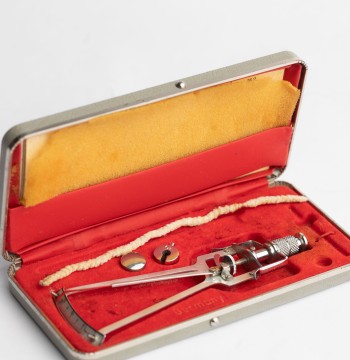
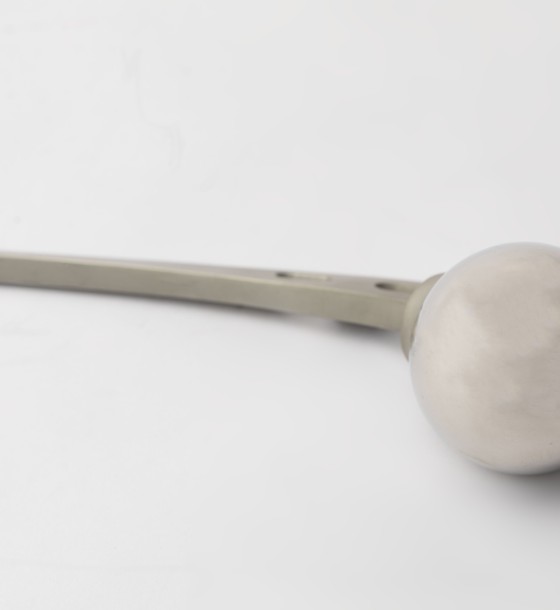
Iron joint
17.25
In Stock
Iron Joint is a type of mechanical or artificial joint commonly used in engineering or medical applications. It is typically made of iron or steel to ensure strength and durability, allowing for movement or connection of two parts.
Types of Iron Joints:
Artificial Joint:
- Used in prosthetics or medical devices to improve the movement of a missing or impaired part.
- Often made of strong materials such as iron or steel to provide long-term stability.
Mechanical Joint:
- Used in machines and industrial equipment. It connects metal or mechanical parts to enable precise movement.
- Found in factories, such as jointing press parts or hydraulic tools.
Hydraulic Joint:
- Used in hydraulic systems to connect metal parts that work together dynamically, often found in heavy machinery and industrial equipment.
Features:
Strength and Durability:
- Made from iron or steel, these joints can withstand high forces and pressures, making them suitable for heavy-duty applications.
Long-lasting Performance:
- Iron joints are designed to last for extended periods, ideal for heavy machinery or prosthetic applications.
Smooth Movement:
- Provides precise and stable movement between connected parts, improving performance in various applications.
Uses of Iron Joints:
In Prosthetics:
- Used in prosthetic limbs to provide the necessary movement for the missing part.
In Machinery:
- Found in various industrial machines, where parts need to be connected for precise and controlled movement, such as in presses and heavy equipment.
In Construction:
- Used in structural engineering, such as in bridges or buildings, to provide strength and stability to the framework.
Maintenance:
- Ensure Proper Installation: Check that the iron joint is securely fixed in both industrial and medical applications to ensure proper functionality.
- Lubrication: In some cases, iron joints may require lubrication to ensure smooth movement and reduce wear and tear.
- Regular Inspection: Periodically inspect the joint for any cracks or signs of wear that may affect its performance.
Iron Joint is a type of mechanical or artificial joint commonly used in engineering or medical applications. It is typically made of iron or steel to ensure strength and durability, allowing for movement or connection of two parts.
Types of Iron Joints:
Artificial Joint:
- Used in prosthetics or medical devices to improve the movement of a missing or impaired part.
- Often made of strong materials such as iron or steel to provide long-term stability.
Mechanical Joint:
- Used in machines and industrial equipment. It connects metal or mechanical parts to enable precise movement.
- Found in factories, such as jointing press parts or hydraulic tools.
Hydraulic Joint:
- Used in hydraulic systems to connect metal parts that work together dynamically, often found in heavy machinery and industrial equipment.
Features:
Strength and Durability:
- Made from iron or steel, these joints can withstand high forces and pressures, making them suitable for heavy-duty applications.
Long-lasting Performance:
- Iron joints are designed to last for extended periods, ideal for heavy machinery or prosthetic applications.
Smooth Movement:
- Provides precise and stable movement between connected parts, improving performance in various applications.
Uses of Iron Joints:
In Prosthetics:
- Used in prosthetic limbs to provide the necessary movement for the missing part.
In Machinery:
- Found in various industrial machines, where parts need to be connected for precise and controlled movement, such as in presses and heavy equipment.
In Construction:
- Used in structural engineering, such as in bridges or buildings, to provide strength and stability to the framework.
Maintenance:
- Ensure Proper Installation: Check that the iron joint is securely fixed in both industrial and medical applications to ensure proper functionality.
- Lubrication: In some cases, iron joints may require lubrication to ensure smooth movement and reduce wear and tear.
- Regular Inspection: Periodically inspect the joint for any cracks or signs of wear that may affect its performance.
0 Reviews for Iron joint
Related Products




Customers Also Bought
253.00
69.00

18.40
184.00
40.25