
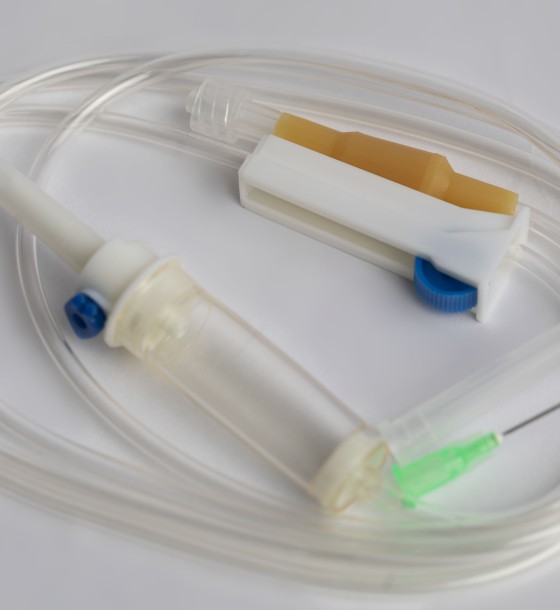
Intravenous injection
1.15
In Stock
Intravenous Injection (IV Injection) is a type of injection where the medication or fluid is delivered directly into the vein, allowing it to enter the bloodstream quickly. This method provides rapid absorption of the substance into the body.
Types of Intravenous Injections:
IV Push Injection:
- The medication is injected directly into the vein using a syringe, providing quick access to the bloodstream.
- Often used in emergency situations or when a rapid effect of the medication is needed.
IV Infusion:
- The medication or fluid is delivered into the vein through a set of tubes over a period of time.
- Typically used for medications or fluids that need to be given slowly or over a longer duration.
How to Perform an Intravenous Injection:
Preparation:
- Prepare the medication or fluid to be injected. In some cases, it may require mixing with saline or other fluids.
- Sterilize the area where the needle will be inserted (usually in the vein of the hand or arm).
Selecting the Vein:
- Typically, larger veins in the arm or hand are chosen for the injection. The healthcare provider may use techniques such as pressing on the skin or using a vein-finding device to locate a suitable vein.
Inserting the Needle:
- After identifying the correct vein, the needle or catheter is inserted at a precise angle (usually about 15 to 30 degrees) into the vein.
Administering the Medication:
- For IV Push Injection, the medication is injected quickly into the vein.
- For IV Infusion, the solution is delivered slowly through the catheter over a specified period of time.
Removing the Needle:
- Once the medication has been administered, the needle or catheter is carefully removed, and a bandage is placed on the injection site.
Benefits of Intravenous Injections:
- Rapid Absorption: The medication enters the bloodstream immediately, providing fast effects.
- Precise Dosage Control: IV injections allow for precise control over the amount of medication delivered.
- Emergency Use: Commonly used in emergency situations for administering medications or fluids quickly.
Tips for Intravenous Injection:
- Check the Vein: Make sure the vein is clear and suitable for the injection. Avoid veins that are swollen or injured.
- Monitor for Symptoms: If the patient experiences pain or swelling at the injection site, inform the healthcare provider immediately.
- Sterilize Tools: Always use sterile equipment for the injection (such as the needle and syringe) to prevent infection.
Intravenous Injection (IV Injection) is a type of injection where the medication or fluid is delivered directly into the vein, allowing it to enter the bloodstream quickly. This method provides rapid absorption of the substance into the body.
Types of Intravenous Injections:
IV Push Injection:
- The medication is injected directly into the vein using a syringe, providing quick access to the bloodstream.
- Often used in emergency situations or when a rapid effect of the medication is needed.
IV Infusion:
- The medication or fluid is delivered into the vein through a set of tubes over a period of time.
- Typically used for medications or fluids that need to be given slowly or over a longer duration.
How to Perform an Intravenous Injection:
Preparation:
- Prepare the medication or fluid to be injected. In some cases, it may require mixing with saline or other fluids.
- Sterilize the area where the needle will be inserted (usually in the vein of the hand or arm).
Selecting the Vein:
- Typically, larger veins in the arm or hand are chosen for the injection. The healthcare provider may use techniques such as pressing on the skin or using a vein-finding device to locate a suitable vein.
Inserting the Needle:
- After identifying the correct vein, the needle or catheter is inserted at a precise angle (usually about 15 to 30 degrees) into the vein.
Administering the Medication:
- For IV Push Injection, the medication is injected quickly into the vein.
- For IV Infusion, the solution is delivered slowly through the catheter over a specified period of time.
Removing the Needle:
- Once the medication has been administered, the needle or catheter is carefully removed, and a bandage is placed on the injection site.
Benefits of Intravenous Injections:
- Rapid Absorption: The medication enters the bloodstream immediately, providing fast effects.
- Precise Dosage Control: IV injections allow for precise control over the amount of medication delivered.
- Emergency Use: Commonly used in emergency situations for administering medications or fluids quickly.
Tips for Intravenous Injection:
- Check the Vein: Make sure the vein is clear and suitable for the injection. Avoid veins that are swollen or injured.
- Monitor for Symptoms: If the patient experiences pain or swelling at the injection site, inform the healthcare provider immediately.
- Sterilize Tools: Always use sterile equipment for the injection (such as the needle and syringe) to prevent infection.
0 Reviews for Intravenous injection
Related Products



Customers Also Bought
52.00
32.20

34.50
.jpg)
23.00

120.75

747.50