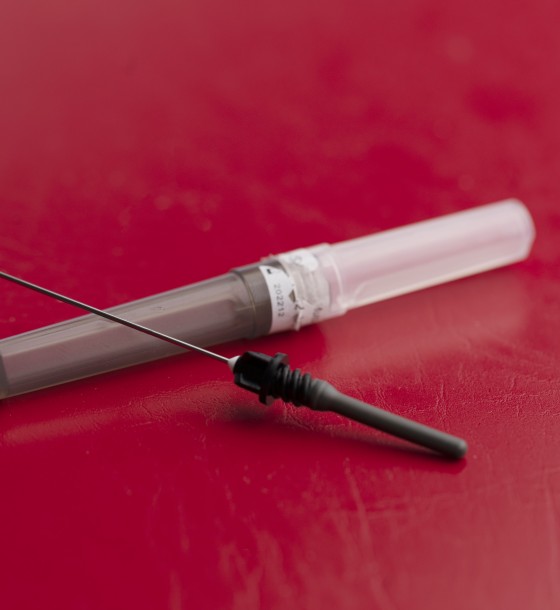
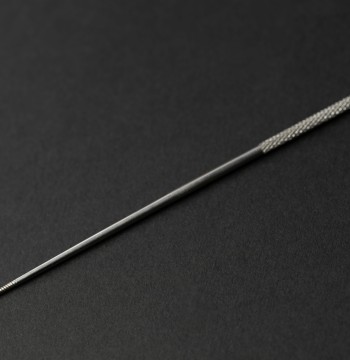
injection needles 22 g
16.10
متاح بالمتجــر
It looks like you've shared a detailed overview of home sauna devices! Whether you're interested in the benefits, types, or how to use one, there's a lot to love about the convenience and health perks they offer. Do you have a particular type of sauna device you're considering for your home, or are you looking for more info on one of the benefits?
4o miniأنت قلت:hot plate For the laboratoryقال ChatGPT:A hot plate is a common piece of equipment used in laboratories for heating substances in glassware or other containers. It's essential for many experiments that require controlled heating of liquids or solids. Here's an overview:
Types of Laboratory Hot Plates:
Standard Hot Plate:
- A flat surface that heats up to a set temperature.
- Simple to use, typically with a temperature dial to control the heat.
Hot Plate with Magnetic Stirrer:
- Combines heating with stirring. A magnetic stir bar inside the container is rotated by a magnetic field, making it ideal for solutions that need to be mixed while heated.
- Great for experiments requiring consistent stirring, like dissolving chemicals or preparing solutions.
Digital Hot Plate:
- Features digital controls for precise temperature settings.
- Can include temperature probes for better monitoring and control of heat.
Ceramic or Glass Hot Plate:
- Offers more uniform heating and can handle higher temperatures without degrading the surface.
- Ceramic plates are often used for specific types of experiments requiring non-reactive surfaces.
Features to Look for:
- Temperature Range: Make sure the hot plate can reach the desired temperature for your experiments.
- Material: The surface material should be compatible with the chemicals you're working with (e.g., porcelain for resistance to acidic solutions).
- Size: The plate should be large enough for your containers.
- Safety Features: Look for automatic shut-off, overheat protection, or ceramic plates that can reduce the risk of chemical reactions.
Benefits:
- Even Heating: Provides consistent heat across the surface, ensuring even heating of the liquid or solution.
- Convenience: Electric hot plates are portable and easy to use, with no open flames involved.
- Temperature Control: Allows for precise adjustments to temperature, which is crucial for sensitive experiments.
How to Use:
Safety Tips:
- Always monitor experiments closely to avoid overheating or chemical spills.
- Use heat-resistant gloves and proper safety equipment like goggles and aprons.
- Be mindful of electrical cords, especially when working around liquids.
Do you need any specific recommendations for a hot plate for your laboratory setup?
4o miniأنت قلت:عربيقال ChatGPT:بالطبع! إليك نظرة عامة حول السخان المختبري (أو اللوح الساخن) واستخداماته في المختبرات:
أنواع الألواح الساخنة المختبرية:
لوح ساخن عادي:
- سطح مسطح يسخن إلى درجة حرارة معينة.
- سهل الاستخدام ويتميز بقرص لضبط الحرارة.
لوح ساخن مع محرك مغناطيسي:
- يدمج التسخين مع التحريك. يتم تحريك بار مغناطيسي داخل الوعاء بواسطة مجال مغناطيسي، وهو مثالي للسوائل التي تحتاج إلى خلط أثناء التسخين.
- مفيد في التجارب التي تتطلب تحريكًا مستمرًا مثل إذابة المواد الكيميائية أو تحضير المحاليل.
لوح ساخن رقمي:
- يحتوي على تحكمات رقمية لضبط الحرارة بدقة.
- يمكن أن يحتوي على مجسات لقياس الحرارة بدقة أكبر.
لوح ساخن من السيراميك أو الزجاج:
- يوفر تسخينًا متجانسًا ويمكنه تحمل درجات حرارة عالية دون التأثير على السطح.
- الألواح السيراميكية غالبًا ما تستخدم في التجارب التي تتطلب أسطح غير تفاعلية.
خصائص يجب مراعاتها:
- نطاق الحرارة: تأكد من أن اللوح يمكنه الوصول إلى درجة الحرارة المطلوبة للتجارب.
- المادة: يجب أن يكون سطح اللوح متوافقًا مع المواد الكيميائية التي تعمل بها (مثل البورسلين للمقاومة للحلول الحمضية).
- الحجم: يجب أن يكون اللوح كبيرًا بما يكفي لاستيعاب الحاويات التي تستخدمها.
- ميزات الأمان: ابحث عن حماية ضد السخونة الزائدة أو إيقاف التشغيل التلقائي.
الفوائد:
- التسخين المتجانس: يوفر تسخينًا متساويًا عبر السطح، مما يضمن تسخينًا متساويًا للسائل أو المحلول.
- الراحة: الألواح الساخنة الكهربائية سهلة الاستخدام ولا تحتاج إلى لهب مكشوف.
- التحكم في درجة الحرارة: يتيح لك ضبط درجة الحرارة بدقة، وهو أمر بالغ الأهمية للتجارب الحساسة.
كيفية الاستخدام:
نصائح الأمان:
- دائمًا راقب التجارب عن كثب لتجنب التسخين الزائد أو الانسكاب الكيميائي.
- استخدم القفازات المقاومة للحرارة والمعدات الوقائية مثل النظارات الواقية والمئزر.
- احرص على تجنب تلامس الأسلاك الكهربائية مع السوائل.
هل تحتاج إلى توصيات بشأن شراء لوح ساخن لمختبرك؟
4o miniأنت قلت:hydorgen peroxideقال ChatGPT:Hydrogen Peroxide (H₂O₂) is a versatile chemical compound that has a wide range of applications, both in the laboratory and in everyday life. Here's an overview of it:
Properties of Hydrogen Peroxide:
- Chemical Formula: H₂O₂
- Appearance: A colorless, odorless liquid in its pure form.
- Concentration: It is typically available in concentrations of 3%, 6%, 30%, or higher. The most common concentration used for household purposes is 3%.
- Reactivity: Hydrogen peroxide is a strong oxidizer and decomposes rapidly into water (H₂O) and oxygen (O₂), especially in the presence of light, heat, or certain catalysts (like manganese dioxide).
Uses of Hydrogen Peroxide:
In Laboratories:
- Disinfecting and Sterilizing: Hydrogen peroxide is used as a disinfectant for surfaces and equipment due to its antimicrobial properties. It is also used for cleaning laboratory glassware.
- Oxidizing Agent: In chemical reactions, hydrogen peroxide is used as a strong oxidizing agent to break down other substances or to facilitate reactions.
- Decomposition Reactions: It is commonly used to demonstrate or study decomposition reactions in labs. Under controlled conditions, hydrogen peroxide decomposes into water and oxygen, which can be catalyzed using substances like potassium iodide.
In Healthcare:
- Wound Cleaning: Hydrogen peroxide is often used to clean minor cuts and abrasions due to its antiseptic properties. It kills bacteria and helps prevent infection (though it’s sometimes recommended not to use it on deep wounds as it may damage healthy tissue).
- Mouth Rinse: In diluted form, hydrogen peroxide is sometimes used as a mouth rinse to help whiten teeth and reduce mouth bacteria.
In Household:
- Disinfectant: Hydrogen peroxide is often used as a natural disinfectant for cleaning and sanitizing various surfaces in the home, including countertops and bathroom areas.
- Whitening Agent: It’s used in laundry for whitening clothes and removing stains.
- Vegetable and Fruit Cleaner: It can be used to wash fruits and vegetables to remove pesticides and bacteria.
In Beauty and Personal Care:
- Hair Bleaching: Hydrogen peroxide is commonly used as a hair bleach in salon treatments and home hair-lightening kits.
- Skin Lightening: It has mild bleaching pr
It looks like you've shared a detailed overview of home sauna devices! Whether you're interested in the benefits, types, or how to use one, there's a lot to love about the convenience and health perks they offer. Do you have a particular type of sauna device you're considering for your home, or are you looking for more info on one of the benefits?
4o miniأنت قلت:hot plate For the laboratoryقال ChatGPT:A hot plate is a common piece of equipment used in laboratories for heating substances in glassware or other containers. It's essential for many experiments that require controlled heating of liquids or solids. Here's an overview:
Types of Laboratory Hot Plates:
Standard Hot Plate:
- A flat surface that heats up to a set temperature.
- Simple to use, typically with a temperature dial to control the heat.
Hot Plate with Magnetic Stirrer:
- Combines heating with stirring. A magnetic stir bar inside the container is rotated by a magnetic field, making it ideal for solutions that need to be mixed while heated.
- Great for experiments requiring consistent stirring, like dissolving chemicals or preparing solutions.
Digital Hot Plate:
- Features digital controls for precise temperature settings.
- Can include temperature probes for better monitoring and control of heat.
Ceramic or Glass Hot Plate:
- Offers more uniform heating and can handle higher temperatures without degrading the surface.
- Ceramic plates are often used for specific types of experiments requiring non-reactive surfaces.
Features to Look for:
- Temperature Range: Make sure the hot plate can reach the desired temperature for your experiments.
- Material: The surface material should be compatible with the chemicals you're working with (e.g., porcelain for resistance to acidic solutions).
- Size: The plate should be large enough for your containers.
- Safety Features: Look for automatic shut-off, overheat protection, or ceramic plates that can reduce the risk of chemical reactions.
Benefits:
- Even Heating: Provides consistent heat across the surface, ensuring even heating of the liquid or solution.
- Convenience: Electric hot plates are portable and easy to use, with no open flames involved.
- Temperature Control: Allows for precise adjustments to temperature, which is crucial for sensitive experiments.
How to Use:
Safety Tips:
- Always monitor experiments closely to avoid overheating or chemical spills.
- Use heat-resistant gloves and proper safety equipment like goggles and aprons.
- Be mindful of electrical cords, especially when working around liquids.
Do you need any specific recommendations for a hot plate for your laboratory setup?
4o miniأنت قلت:عربيقال ChatGPT:بالطبع! إليك نظرة عامة حول السخان المختبري (أو اللوح الساخن) واستخداماته في المختبرات:
أنواع الألواح الساخنة المختبرية:
لوح ساخن عادي:
- سطح مسطح يسخن إلى درجة حرارة معينة.
- سهل الاستخدام ويتميز بقرص لضبط الحرارة.
لوح ساخن مع محرك مغناطيسي:
- يدمج التسخين مع التحريك. يتم تحريك بار مغناطيسي داخل الوعاء بواسطة مجال مغناطيسي، وهو مثالي للسوائل التي تحتاج إلى خلط أثناء التسخين.
- مفيد في التجارب التي تتطلب تحريكًا مستمرًا مثل إذابة المواد الكيميائية أو تحضير المحاليل.
لوح ساخن رقمي:
- يحتوي على تحكمات رقمية لضبط الحرارة بدقة.
- يمكن أن يحتوي على مجسات لقياس الحرارة بدقة أكبر.
لوح ساخن من السيراميك أو الزجاج:
- يوفر تسخينًا متجانسًا ويمكنه تحمل درجات حرارة عالية دون التأثير على السطح.
- الألواح السيراميكية غالبًا ما تستخدم في التجارب التي تتطلب أسطح غير تفاعلية.
خصائص يجب مراعاتها:
- نطاق الحرارة: تأكد من أن اللوح يمكنه الوصول إلى درجة الحرارة المطلوبة للتجارب.
- المادة: يجب أن يكون سطح اللوح متوافقًا مع المواد الكيميائية التي تعمل بها (مثل البورسلين للمقاومة للحلول الحمضية).
- الحجم: يجب أن يكون اللوح كبيرًا بما يكفي لاستيعاب الحاويات التي تستخدمها.
- ميزات الأمان: ابحث عن حماية ضد السخونة الزائدة أو إيقاف التشغيل التلقائي.
الفوائد:
- التسخين المتجانس: يوفر تسخينًا متساويًا عبر السطح، مما يضمن تسخينًا متساويًا للسائل أو المحلول.
- الراحة: الألواح الساخنة الكهربائية سهلة الاستخدام ولا تحتاج إلى لهب مكشوف.
- التحكم في درجة الحرارة: يتيح لك ضبط درجة الحرارة بدقة، وهو أمر بالغ الأهمية للتجارب الحساسة.
كيفية الاستخدام:
نصائح الأمان:
- دائمًا راقب التجارب عن كثب لتجنب التسخين الزائد أو الانسكاب الكيميائي.
- استخدم القفازات المقاومة للحرارة والمعدات الوقائية مثل النظارات الواقية والمئزر.
- احرص على تجنب تلامس الأسلاك الكهربائية مع السوائل.
هل تحتاج إلى توصيات بشأن شراء لوح ساخن لمختبرك؟
4o miniأنت قلت:hydorgen peroxideقال ChatGPT:Hydrogen Peroxide (H₂O₂) is a versatile chemical compound that has a wide range of applications, both in the laboratory and in everyday life. Here's an overview of it:
Properties of Hydrogen Peroxide:
- Chemical Formula: H₂O₂
- Appearance: A colorless, odorless liquid in its pure form.
- Concentration: It is typically available in concentrations of 3%, 6%, 30%, or higher. The most common concentration used for household purposes is 3%.
- Reactivity: Hydrogen peroxide is a strong oxidizer and decomposes rapidly into water (H₂O) and oxygen (O₂), especially in the presence of light, heat, or certain catalysts (like manganese dioxide).
Uses of Hydrogen Peroxide:
In Laboratories:
- Disinfecting and Sterilizing: Hydrogen peroxide is used as a disinfectant for surfaces and equipment due to its antimicrobial properties. It is also used for cleaning laboratory glassware.
- Oxidizing Agent: In chemical reactions, hydrogen peroxide is used as a strong oxidizing agent to break down other substances or to facilitate reactions.
- Decomposition Reactions: It is commonly used to demonstrate or study decomposition reactions in labs. Under controlled conditions, hydrogen peroxide decomposes into water and oxygen, which can be catalyzed using substances like potassium iodide.
In Healthcare:
- Wound Cleaning: Hydrogen peroxide is often used to clean minor cuts and abrasions due to its antiseptic properties. It kills bacteria and helps prevent infection (though it’s sometimes recommended not to use it on deep wounds as it may damage healthy tissue).
- Mouth Rinse: In diluted form, hydrogen peroxide is sometimes used as a mouth rinse to help whiten teeth and reduce mouth bacteria.
In Household:
- Disinfectant: Hydrogen peroxide is often used as a natural disinfectant for cleaning and sanitizing various surfaces in the home, including countertops and bathroom areas.
- Whitening Agent: It’s used in laundry for whitening clothes and removing stains.
- Vegetable and Fruit Cleaner: It can be used to wash fruits and vegetables to remove pesticides and bacteria.
In Beauty and Personal Care:
- Hair Bleaching: Hydrogen peroxide is commonly used as a hair bleach in salon treatments and home hair-lightening kits.
- Skin Lightening: It has mild bleaching pr
0 التقييمات لـ injection needles 22 g
منتجات ذات صلة



عملاء آخرون اشتروا أيضاً

207.00
182.00
78.00
80.50


51.75