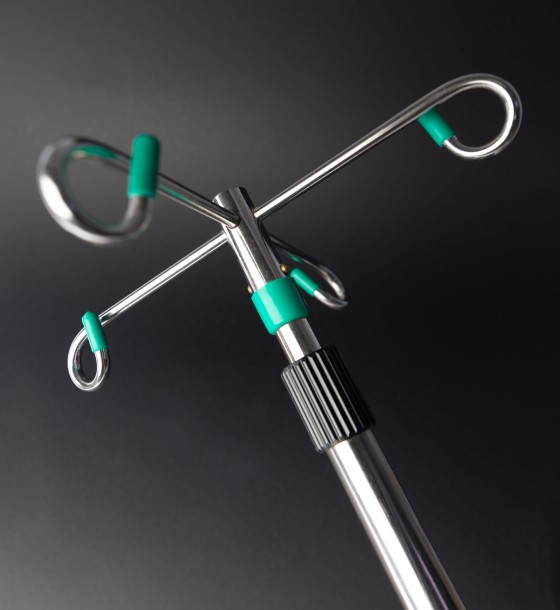
infusion stand
155.25
In Stock
Leak Situation refers to the condition where there is an unintended release of liquids, gases, or chemicals from their intended containment, such as pipes, appliances, or tanks. Leaks can occur in various environments and can cause significant damage if not addressed promptly and effectively.
Types of Leaks:
Dangers of Leaks:
- Environmental Damage: Leaking hazardous chemicals can lead to water or soil contamination.
- Fire Hazards: Gas or fuel leaks can cause fires or explosions.
- Physical Damage: Leaks can damage buildings, machinery, or other infrastructure.
- Health Hazards: Chemical or gas leaks can pose serious health risks to anyone exposed.
How to Handle Leak Situations:
- For water leaks, use water-absorbing materials or call a plumber to fix the damaged pipes.
- For gas leaks, ensure good ventilation by opening windows and contacting emergency services.
- For chemical leaks, follow proper safety protocols, including wearing personal protective equipment and contacting specialized teams.
Leak Prevention:
- Regular Inspection of Pipes and Equipment: Regular checks help detect wear and tear that may lead to leaks.
- Routine Maintenance: Keeping equipment in good working order through regular maintenance can prevent leaks.
- Install Leak Detection Devices: Use gas or water leak detection systems, especially in homes or industrial facilities, to catch leaks early.
Precautions to Take in Case of a Leak:
- Be Cautious: Avoid turning on electrical switches or creating sparks when dealing with gas or flammable leaks.
- Contact the Relevant Authorities: For large leaks or leaks involving hazardous materials, contact emergency services or the fire department immediately
Leak Situation refers to the condition where there is an unintended release of liquids, gases, or chemicals from their intended containment, such as pipes, appliances, or tanks. Leaks can occur in various environments and can cause significant damage if not addressed promptly and effectively.
Types of Leaks:
Dangers of Leaks:
- Environmental Damage: Leaking hazardous chemicals can lead to water or soil contamination.
- Fire Hazards: Gas or fuel leaks can cause fires or explosions.
- Physical Damage: Leaks can damage buildings, machinery, or other infrastructure.
- Health Hazards: Chemical or gas leaks can pose serious health risks to anyone exposed.
How to Handle Leak Situations:
- For water leaks, use water-absorbing materials or call a plumber to fix the damaged pipes.
- For gas leaks, ensure good ventilation by opening windows and contacting emergency services.
- For chemical leaks, follow proper safety protocols, including wearing personal protective equipment and contacting specialized teams.
Leak Prevention:
- Regular Inspection of Pipes and Equipment: Regular checks help detect wear and tear that may lead to leaks.
- Routine Maintenance: Keeping equipment in good working order through regular maintenance can prevent leaks.
- Install Leak Detection Devices: Use gas or water leak detection systems, especially in homes or industrial facilities, to catch leaks early.
Precautions to Take in Case of a Leak:
- Be Cautious: Avoid turning on electrical switches or creating sparks when dealing with gas or flammable leaks.
- Contact the Relevant Authorities: For large leaks or leaks involving hazardous materials, contact emergency services or the fire department immediately
0 Reviews for infusion stand
Related Products
155.25
97.50
138.00

207.00
51.75