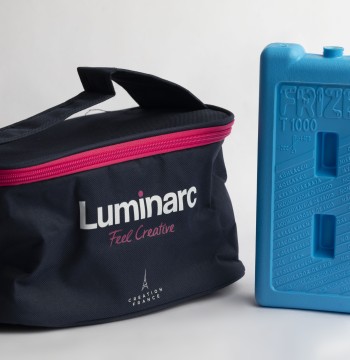
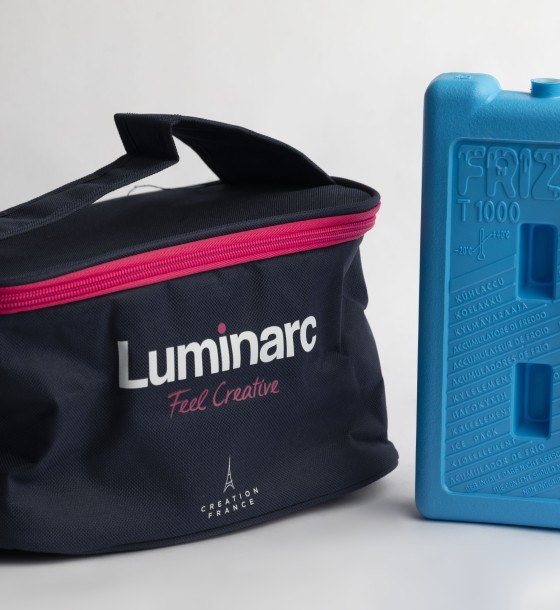
Ice pack frizet
207.00
Out of Stock
A Medical Ice Pack is a special type of ice pack used for medical purposes, often to reduce pain, swelling, and inflammation. These ice packs are commonly used to treat injuries, such as sprains, strains, and bruises, or in post-surgical recovery to minimize swelling and discomfort.
Types of Medical Ice Packs:
How to Use a Medical Ice Pack:
Benefits of Using a Medical Ice Pack:
- Reduces Swelling: The cold from the ice pack constricts blood vessels, helping to reduce swelling in the affected area.
- Relieves Pain: Cold therapy helps numb the area, reducing pain and discomfort.
- Reduces Inflammation: Ice packs help lower inflammation by decreasing blood flow to the injured tissue.
- Speeds Recovery: Ice packs can speed up recovery by limiting tissue damage after an injury.
Tips for Safe Use:
- Limit Application Time: Do not leave the ice pack on the skin for more than 20 minutes at a time to prevent frostbite.
- Follow Medical Advice: For serious injuries or conditions, consult a doctor before using an ice pack.
- Store Properly: Ensure the ice pack is stored in the freezer correctly to keep it ready for use when needed.
Common Medical Uses:
- Sports Injuries: For sprains, strains, and bruises in athletes.
- Post-Surgery Swelling: To reduce swelling and discomfort after surgery.
- Headaches: Ice packs can help relieve pain from migraines or tension headaches by applying them to the head or neck.
- Arthritis Pain: To reduce inflammation and pain in joints affected by arthritis.
Free shipping on orders over 500 SAR
Delivery within 1-3 business days
Money back guarantee
A Medical Ice Pack is a special type of ice pack used for medical purposes, often to reduce pain, swelling, and inflammation. These ice packs are commonly used to treat injuries, such as sprains, strains, and bruises, or in post-surgical recovery to minimize swelling and discomfort.
Types of Medical Ice Packs:
How to Use a Medical Ice Pack:
Benefits of Using a Medical Ice Pack:
- Reduces Swelling: The cold from the ice pack constricts blood vessels, helping to reduce swelling in the affected area.
- Relieves Pain: Cold therapy helps numb the area, reducing pain and discomfort.
- Reduces Inflammation: Ice packs help lower inflammation by decreasing blood flow to the injured tissue.
- Speeds Recovery: Ice packs can speed up recovery by limiting tissue damage after an injury.
Tips for Safe Use:
- Limit Application Time: Do not leave the ice pack on the skin for more than 20 minutes at a time to prevent frostbite.
- Follow Medical Advice: For serious injuries or conditions, consult a doctor before using an ice pack.
- Store Properly: Ensure the ice pack is stored in the freezer correctly to keep it ready for use when needed.
Common Medical Uses:
- Sports Injuries: For sprains, strains, and bruises in athletes.
- Post-Surgery Swelling: To reduce swelling and discomfort after surgery.
- Headaches: Ice packs can help relieve pain from migraines or tension headaches by applying them to the head or neck.
- Arthritis Pain: To reduce inflammation and pain in joints affected by arthritis.
0 Reviews for Ice pack frizet