Examination stethoscope
207.00
In Stock
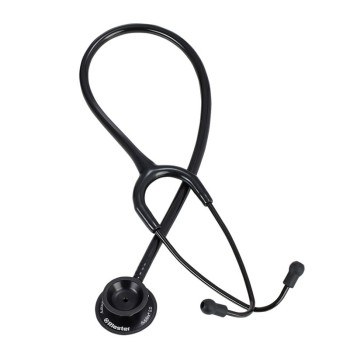
Examination Stethoscope
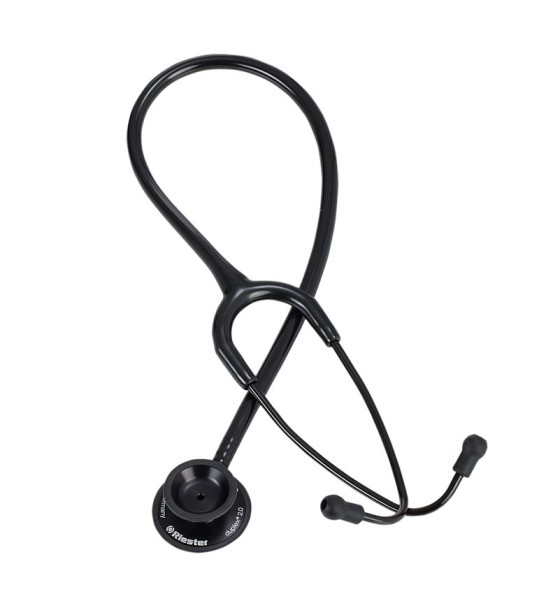
An examination stethoscope is a medical instrument used by healthcare professionals, particularly doctors and nurses, to listen to the internal sounds of a patient's body, such as the heart, lungs, and intestines. The stethoscope is a key tool for diagnosing and monitoring various conditions, offering insight into a patient's health without the need for invasive procedures.
Components of an Examination Stethoscope:
Chest Piece:
- The chest piece is the part of the stethoscope that is placed on the patient's body. It usually has two sides:
- Diaphragm: A flat, round surface used for listening to higher-frequency sounds such as heartbeats and lung sounds.
- Bell: A smaller, concave surface used to listen to lower-frequency sounds, like heart murmurs or certain bowel sounds.
Tubes:
- The tubes connect the chest piece to the earpieces. They are flexible and designed to transmit sound clearly from the chest piece to the listener.
Earpieces:
- The earpieces are designed for comfort and proper fit in the ears to block external noise, allowing the healthcare provider to hear sounds more clearly.
Types of Examination Stethoscopes:
Acoustic Stethoscope:
- The most common type, using sound transmission through air in the tubes. It is simple, lightweight, and cost-effective.
Electronic Stethoscope:
- Equipped with a microphone and electronic amplification to enhance the sounds and reduce ambient noise. Some models can also record sounds and transmit them electronically.
Fetal Stethoscope (Pinard's Stethoscope):
- A specialized stethoscope used to listen to the heartbeat of a fetus during pregnancy.
Dual-Head Stethoscope:
- Contains both a diaphragm and a bell in the chest piece, allowing for a more versatile range of sounds to be heard.
Uses of an Examination Stethoscope:
Heart Sounds:
- To listen for heartbeats, murmurs, arrhythmias, and other abnormalities in the heart's rhythm.
Lung Sounds:
- To check for lung sounds such as wheezing, crackles, or absent breath sounds, which could indicate conditions like pneumonia or asthma.
Abdominal Sounds:
- To listen for bowel movements or abnormal sounds in the digestive tract, which can help diagnose issues like bowel obstruction or gastrointestinal disturbances.
Blood Flow:
- To assess blood flow in arteries and veins, helping to detect conditions such as arterial blockages.
Maintenance and Care:
- Cleaning:
- Regularly clean the chest piece, earpieces, and tubes to prevent infection and ensure clear sound transmission.
- Storage:
- Store the stethoscope in a dry place, away from direct sunlight or heat, to prevent damage to the tubes or earpieces.
- Inspection:
- Periodically check for cracks or wear in the tubing, and replace parts if necessary to maintain optimal functionality.
Examination Stethoscope
An examination stethoscope is a medical instrument used by healthcare professionals, particularly doctors and nurses, to listen to the internal sounds of a patient's body, such as the heart, lungs, and intestines. The stethoscope is a key tool for diagnosing and monitoring various conditions, offering insight into a patient's health without the need for invasive procedures.
Components of an Examination Stethoscope:
Chest Piece:
- The chest piece is the part of the stethoscope that is placed on the patient's body. It usually has two sides:
- Diaphragm: A flat, round surface used for listening to higher-frequency sounds such as heartbeats and lung sounds.
- Bell: A smaller, concave surface used to listen to lower-frequency sounds, like heart murmurs or certain bowel sounds.
Tubes:
- The tubes connect the chest piece to the earpieces. They are flexible and designed to transmit sound clearly from the chest piece to the listener.
Earpieces:
- The earpieces are designed for comfort and proper fit in the ears to block external noise, allowing the healthcare provider to hear sounds more clearly.
Types of Examination Stethoscopes:
Acoustic Stethoscope:
- The most common type, using sound transmission through air in the tubes. It is simple, lightweight, and cost-effective.
Electronic Stethoscope:
- Equipped with a microphone and electronic amplification to enhance the sounds and reduce ambient noise. Some models can also record sounds and transmit them electronically.
Fetal Stethoscope (Pinard's Stethoscope):
- A specialized stethoscope used to listen to the heartbeat of a fetus during pregnancy.
Dual-Head Stethoscope:
- Contains both a diaphragm and a bell in the chest piece, allowing for a more versatile range of sounds to be heard.
Uses of an Examination Stethoscope:
Heart Sounds:
- To listen for heartbeats, murmurs, arrhythmias, and other abnormalities in the heart's rhythm.
Lung Sounds:
- To check for lung sounds such as wheezing, crackles, or absent breath sounds, which could indicate conditions like pneumonia or asthma.
Abdominal Sounds:
- To listen for bowel movements or abnormal sounds in the digestive tract, which can help diagnose issues like bowel obstruction or gastrointestinal disturbances.
Blood Flow:
- To assess blood flow in arteries and veins, helping to detect conditions such as arterial blockages.
Maintenance and Care:
- Cleaning:
- Regularly clean the chest piece, earpieces, and tubes to prevent infection and ensure clear sound transmission.
- Storage:
- Store the stethoscope in a dry place, away from direct sunlight or heat, to prevent damage to the tubes or earpieces.
- Inspection:
- Periodically check for cracks or wear in the tubing, and replace parts if necessary to maintain optimal functionality.
0 Reviews for Examination stethoscope
Related Products
207.00

138.00

20.00


103.50