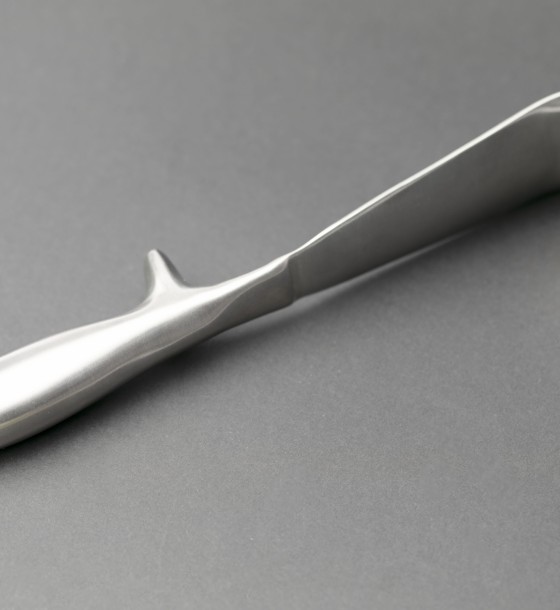


doyen retractor
143.75
In Stock
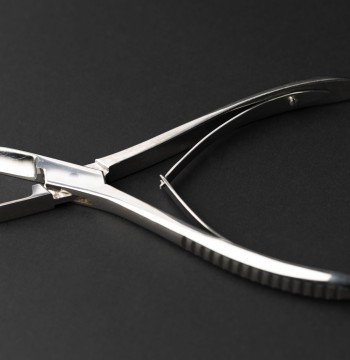
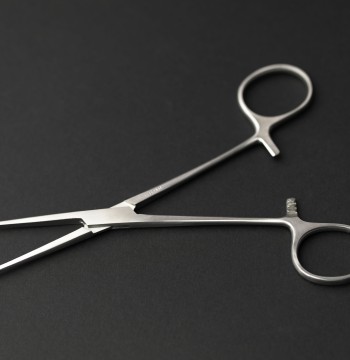
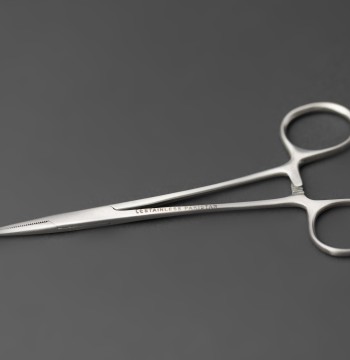
Wound Clamp is a medical tool used to press tissues together during surgical procedures or wound management. It is designed to ensure that tissues remain in a stable position during treatment, helping to reduce bleeding and promote faster healing.
Key Features of a Wound Clamp:
Practical Design:
- Consists of two handles that allow full control over the tool when applying pressure to tissues.
- Equipped with jaws that may be serrated or smooth, depending on the type of wound.
Precise Use:
- Helps minimize bleeding during surgery or when stabilizing tissues.
- Allows precise control of tissues without affecting surrounding areas.
Versatile Use:
- Can be used on various types of wounds, both superficial and deep, or during different surgical procedures.
Corrosion-Resistant:
- Typically made from materials resistant to corrosion to ensure long-lasting durability and effectiveness in sterilization processes.
Common Uses of a Wound Clamp:
- Reducing Bleeding: Used to apply pressure to tissues to limit bleeding during surgical procedures.
- Stabilizing Tissues: Employed to stabilize tissues during surgery or wound closure.
- Wound Management: Used in the care of large or deep wounds to facilitate healing.
Types of Wound Clamps:
- Surgical Wound Clamp: Comes in various sizes and shapes based on the type of wound.
- Superficial Wound Clamp: Designed for use in simple or surface-level wounds.
Care Instructions:
Wound Clamp is a medical tool used to press tissues together during surgical procedures or wound management. It is designed to ensure that tissues remain in a stable position during treatment, helping to reduce bleeding and promote faster healing.
Key Features of a Wound Clamp:
Practical Design:
- Consists of two handles that allow full control over the tool when applying pressure to tissues.
- Equipped with jaws that may be serrated or smooth, depending on the type of wound.
Precise Use:
- Helps minimize bleeding during surgery or when stabilizing tissues.
- Allows precise control of tissues without affecting surrounding areas.
Versatile Use:
- Can be used on various types of wounds, both superficial and deep, or during different surgical procedures.
Corrosion-Resistant:
- Typically made from materials resistant to corrosion to ensure long-lasting durability and effectiveness in sterilization processes.
Common Uses of a Wound Clamp:
- Reducing Bleeding: Used to apply pressure to tissues to limit bleeding during surgical procedures.
- Stabilizing Tissues: Employed to stabilize tissues during surgery or wound closure.
- Wound Management: Used in the care of large or deep wounds to facilitate healing.
Types of Wound Clamps:
- Surgical Wound Clamp: Comes in various sizes and shapes based on the type of wound.
- Superficial Wound Clamp: Designed for use in simple or surface-level wounds.
Care Instructions:
0 Reviews for doyen retractor