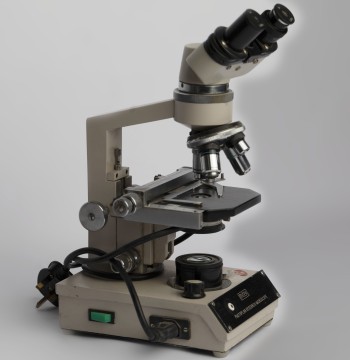
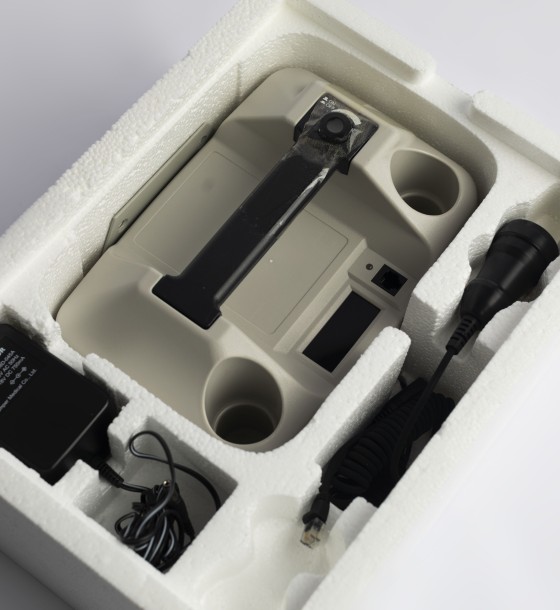
doppler dabate pregnancy
977.50
In Stock
Doppler Debate in Pregnancy refers to the ongoing discussion and research about the use of Doppler ultrasound technology during pregnancy, particularly for monitoring fetal heart rate and well-being. The Doppler ultrasound is a non-invasive imaging technique that uses sound waves to measure the speed and direction of blood flow. It is commonly used to check the fetus's heart rate, blood flow through the placenta, and overall health during pregnancy.
Key Points in the Doppler Debate:
Benefits of Doppler Ultrasound in Pregnancy:
- Fetal Heart Rate Monitoring: Doppler can provide a real-time measure of the fetal heart rate, helping doctors detect any abnormalities.
- Detection of Fetal Distress: By monitoring blood flow through the umbilical cord, Doppler ultrasound can help identify potential issues like restricted blood flow, which may indicate fetal distress.
- Non-invasive and Quick: Doppler ultrasound is generally considered safe, quick, and non-invasive for both mother and baby.
Concerns About Overuse:
- Unnecessary Interventions: Some healthcare providers argue that overuse of Doppler ultrasound may lead to unnecessary medical interventions, such as early induction or cesarean sections, without clear clinical reasons.
- Lack of Evidence on Long-term Effects: Although Doppler ultrasounds are considered safe when used properly, there is ongoing research about whether frequent use could have any unknown effects on fetal development, especially with the rise of at-home fetal Doppler devices.
- False Positives or Negatives: The use of Doppler ultrasound may sometimes give false readings, leading to either unnecessary anxiety for the mother or missed warnings about potential issues with the pregnancy.
Use in High-Risk Pregnancies:
- Doppler ultrasound is particularly useful in high-risk pregnancies where there may be concerns about placental function, such as in cases of preeclampsia, intrauterine growth restriction (IUGR), or gestational diabetes.
- In these situations, Doppler ultrasound can provide valuable insights into fetal well-being and help guide medical decisions.
At-Home Doppler Devices:
- Many pregnant women purchase at-home Doppler devices to monitor their baby's heart rate. While these devices can offer reassurance, medical professionals caution against relying on them for diagnosing fetal health. Misuse or misinterpretation of results from home Doppler devices can cause unnecessary anxiety or false security.
In Conclusion:
The debate about the use of Doppler ultrasound in pregnancy focuses on balancing the benefits of monitoring fetal well-being with the potential risks of overuse or unnecessary medical intervention. It is important for healthcare providers to use Doppler ultrasound appropriately and in conjunction with other clinical tools, particularly for high-risk pregnancies, while avoiding over-reliance on at-home devices.
Doppler Debate in Pregnancy refers to the ongoing discussion and research about the use of Doppler ultrasound technology during pregnancy, particularly for monitoring fetal heart rate and well-being. The Doppler ultrasound is a non-invasive imaging technique that uses sound waves to measure the speed and direction of blood flow. It is commonly used to check the fetus's heart rate, blood flow through the placenta, and overall health during pregnancy.
Key Points in the Doppler Debate:
Benefits of Doppler Ultrasound in Pregnancy:
- Fetal Heart Rate Monitoring: Doppler can provide a real-time measure of the fetal heart rate, helping doctors detect any abnormalities.
- Detection of Fetal Distress: By monitoring blood flow through the umbilical cord, Doppler ultrasound can help identify potential issues like restricted blood flow, which may indicate fetal distress.
- Non-invasive and Quick: Doppler ultrasound is generally considered safe, quick, and non-invasive for both mother and baby.
Concerns About Overuse:
- Unnecessary Interventions: Some healthcare providers argue that overuse of Doppler ultrasound may lead to unnecessary medical interventions, such as early induction or cesarean sections, without clear clinical reasons.
- Lack of Evidence on Long-term Effects: Although Doppler ultrasounds are considered safe when used properly, there is ongoing research about whether frequent use could have any unknown effects on fetal development, especially with the rise of at-home fetal Doppler devices.
- False Positives or Negatives: The use of Doppler ultrasound may sometimes give false readings, leading to either unnecessary anxiety for the mother or missed warnings about potential issues with the pregnancy.
Use in High-Risk Pregnancies:
- Doppler ultrasound is particularly useful in high-risk pregnancies where there may be concerns about placental function, such as in cases of preeclampsia, intrauterine growth restriction (IUGR), or gestational diabetes.
- In these situations, Doppler ultrasound can provide valuable insights into fetal well-being and help guide medical decisions.
At-Home Doppler Devices:
- Many pregnant women purchase at-home Doppler devices to monitor their baby's heart rate. While these devices can offer reassurance, medical professionals caution against relying on them for diagnosing fetal health. Misuse or misinterpretation of results from home Doppler devices can cause unnecessary anxiety or false security.
In Conclusion:
The debate about the use of Doppler ultrasound in pregnancy focuses on balancing the benefits of monitoring fetal well-being with the potential risks of overuse or unnecessary medical intervention. It is important for healthcare providers to use Doppler ultrasound appropriately and in conjunction with other clinical tools, particularly for high-risk pregnancies, while avoiding over-reliance on at-home devices.
0 Reviews for doppler dabate pregnancy
Related Products


28.75
39.00

20.80
28.75