
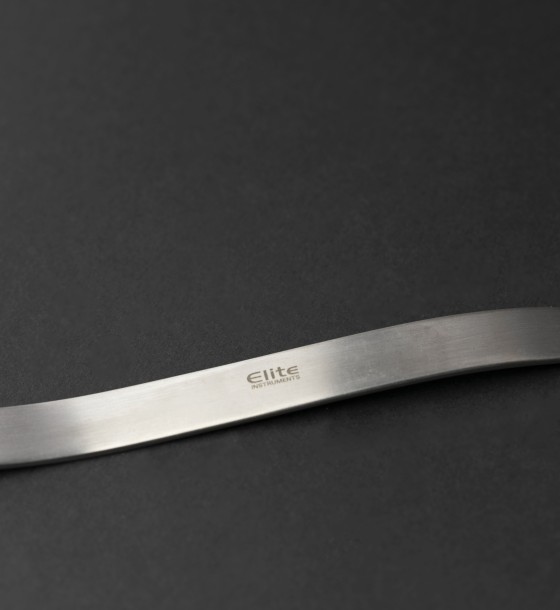
depressors surgical instrument
40.25
In Stock
A depressor (also known as a surgical depressor) is a type of surgical instrument used in various medical and dental procedures to hold back or move tissues, such as skin, muscles, or other soft tissues, to provide better visibility and access to the surgical area. In dentistry, it's commonly used during procedures to keep the patient's cheek, lips, or tongue out of the way.
Types of Depressors:
Tongue Depressors:
- These are used to hold the tongue down during dental examinations or surgeries. They help the dentist get a clear view of the teeth, gums, and other areas inside the mouth. Typically made of wood or metal, tongue depressors are common in routine dental exams.
Lip and Cheek Depressors:
- These instruments are used to pull back the lips or cheeks to expose the area being worked on. They are often made of stainless steel and are commonly used in orthodontics, restorations, and other dental surgeries where the area of focus is inside the mouth.
Retractors:
- While not technically "depressors," retractors perform a similar function by holding back soft tissues to provide better visibility during surgery. There are different designs for different uses, such as cheek retractors for oral surgeries or tissue retractors for accessing deeper tissues.
Uses of Depressors in Surgery:
- In Dental Procedures:
- Holding the tongue, lips, or cheeks away to provide a clear view of the teeth and gums.
- Useful during extractions, fillings, root canals, or orthodontic treatments.
- In General Surgery:
- Used for moving back skin or soft tissue during surgery to expose underlying areas, such as in abdominal surgeries or wound debridement.
Care and Maintenance:
- Sterilization: Depressors, especially the metal ones, must be properly sterilized before each use to prevent infection.
- Storage: Keep them in a clean, dry place, often in a sterilized container, to maintain hygiene and avoid contamination.
- Inspection: Periodically inspect depressors for any signs of damage, like bends or cracks, especially in metal instruments.
A depressor (also known as a surgical depressor) is a type of surgical instrument used in various medical and dental procedures to hold back or move tissues, such as skin, muscles, or other soft tissues, to provide better visibility and access to the surgical area. In dentistry, it's commonly used during procedures to keep the patient's cheek, lips, or tongue out of the way.
Types of Depressors:
Tongue Depressors:
- These are used to hold the tongue down during dental examinations or surgeries. They help the dentist get a clear view of the teeth, gums, and other areas inside the mouth. Typically made of wood or metal, tongue depressors are common in routine dental exams.
Lip and Cheek Depressors:
- These instruments are used to pull back the lips or cheeks to expose the area being worked on. They are often made of stainless steel and are commonly used in orthodontics, restorations, and other dental surgeries where the area of focus is inside the mouth.
Retractors:
- While not technically "depressors," retractors perform a similar function by holding back soft tissues to provide better visibility during surgery. There are different designs for different uses, such as cheek retractors for oral surgeries or tissue retractors for accessing deeper tissues.
Uses of Depressors in Surgery:
- In Dental Procedures:
- Holding the tongue, lips, or cheeks away to provide a clear view of the teeth and gums.
- Useful during extractions, fillings, root canals, or orthodontic treatments.
- In General Surgery:
- Used for moving back skin or soft tissue during surgery to expose underlying areas, such as in abdominal surgeries or wound debridement.
Care and Maintenance:
- Sterilization: Depressors, especially the metal ones, must be properly sterilized before each use to prevent infection.
- Storage: Keep them in a clean, dry place, often in a sterilized container, to maintain hygiene and avoid contamination.
- Inspection: Periodically inspect depressors for any signs of damage, like bends or cracks, especially in metal instruments.
0 Reviews for depressors surgical instrument
Related Products

.jpg)


Customers Also Bought

80.50
184.00

126.50

138.00
51.75
364.00

621.00