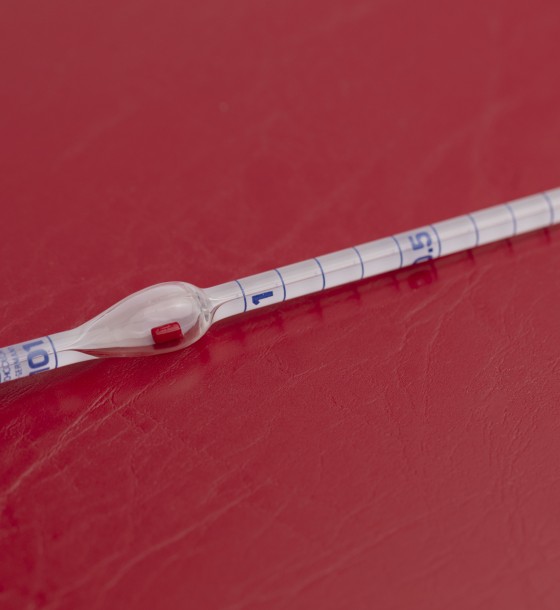
blood diluting pipettes
39.00
In Stock
Blood Diluting Pipettes are specialized tools used in hematology for preparing diluted blood samples for various laboratory tests, such as counting red blood cells (RBCs) or white blood cells (WBCs). They are a crucial part of manual cell counting methods, typically performed with a hemocytometer. Here's a detailed overview of these pipettes and how they work. ????????
1. Types of Blood Diluting Pipettes
RBC Pipette (Red Blood Cell Pipette):- Features:
- Has a red bead inside the pipette for mixing.
- Calibrated for a higher dilution factor, often 1:200.
- A narrower bore to suit the smaller size of RBCs.
- Features:
- Contains a white bead for mixing.
- Designed for a lower dilution factor, typically 1:20.
- A wider bore to accommodate larger WBCs.
2. Structure of Blood Diluting Pipettes
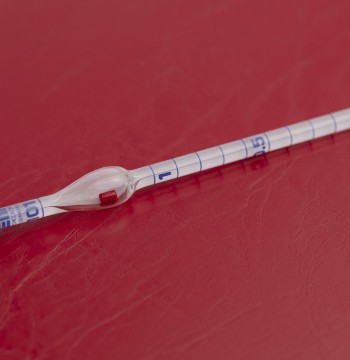
- Bulb: Contains a mixing bead and facilitates uniform mixing of blood and diluent.
- Graduation Marks: Calibrated for precise dilution.
- Marks typically indicate volumes, such as 0.5, 1.0, and 101 (for RBC pipette) or 11 (for WBC pipette).
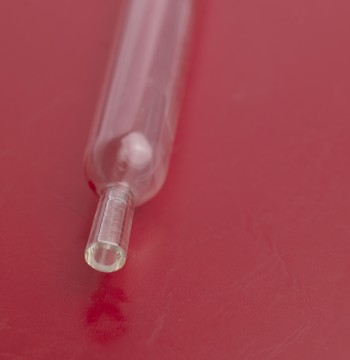
- Capillary Tube: Narrow tube at the top for drawing blood.
- Stem: Part of the pipette where the diluted blood is expelled.
3. How Blood Diluting Pipettes Work
Preparation:
- Fill the pipette with blood up to the 0.5 or 1.0 mark using capillary action.
Dilution:
- Draw the diluting fluid (e.g., isotonic saline or acetic acid) up to the appropriate mark (e.g., 101 for RBC pipette).
Mixing:
- Hold the pipette horizontally and shake it gently to mix the blood and diluent thoroughly.
- The bead inside the bulb ensures uniform mixing.
Dispensing:
- Discard the first few drops to ensure accuracy before loading the hemocytometer.
4. Applications
RBC Counting:
Using an isotonic diluent (e.g., saline) to preserve red blood cells for manual counting.WBC Counting:
Employing a diluent like acetic acid to lyse red blood cells and make WBCs more visible under the microscope.Platelet Counting:
Sometimes used in combination with specific stains to count platelets manually.
5. Advantages of Blood Diluting Pipettes
- Cost-effective for manual cell counting.
- Precise calibration for specific dilution ratios.
- Easy to use in basic laboratory settings.
6. Limitations
- Manual methods are time-consuming and prone to human error.
- Requires trained personnel to achieve consistent results.
- Not ideal for large-scale or high-throughput testing.
7. Maintenance Tips
- Clean the pipettes immediately after use to prevent clogging or contamination.
- Rinse with distilled water and a mild cleaning solution.
- Store in a clean, dry place to maintain accuracy.
Blood diluting pipettes remain essential for traditional hematology practices, especially in resource-limited settings. If you’re working with one, precision and proper technique are key to obtaining accurate results! ????????
Blood Diluting Pipettes are specialized tools used in hematology for preparing diluted blood samples for various laboratory tests, such as counting red blood cells (RBCs) or white blood cells (WBCs). They are a crucial part of manual cell counting methods, typically performed with a hemocytometer. Here's a detailed overview of these pipettes and how they work. ????????
1. Types of Blood Diluting Pipettes
RBC Pipette (Red Blood Cell Pipette):- Features:
- Has a red bead inside the pipette for mixing.
- Calibrated for a higher dilution factor, often 1:200.
- A narrower bore to suit the smaller size of RBCs.
- Features:
- Contains a white bead for mixing.
- Designed for a lower dilution factor, typically 1:20.
- A wider bore to accommodate larger WBCs.
2. Structure of Blood Diluting Pipettes
- Bulb: Contains a mixing bead and facilitates uniform mixing of blood and diluent.
- Graduation Marks: Calibrated for precise dilution.
- Marks typically indicate volumes, such as 0.5, 1.0, and 101 (for RBC pipette) or 11 (for WBC pipette).
- Capillary Tube: Narrow tube at the top for drawing blood.
- Stem: Part of the pipette where the diluted blood is expelled.
3. How Blood Diluting Pipettes Work
Preparation:
- Fill the pipette with blood up to the 0.5 or 1.0 mark using capillary action.
Dilution:
- Draw the diluting fluid (e.g., isotonic saline or acetic acid) up to the appropriate mark (e.g., 101 for RBC pipette).
Mixing:
- Hold the pipette horizontally and shake it gently to mix the blood and diluent thoroughly.
- The bead inside the bulb ensures uniform mixing.
Dispensing:
- Discard the first few drops to ensure accuracy before loading the hemocytometer.
4. Applications
RBC Counting:
Using an isotonic diluent (e.g., saline) to preserve red blood cells for manual counting.WBC Counting:
Employing a diluent like acetic acid to lyse red blood cells and make WBCs more visible under the microscope.Platelet Counting:
Sometimes used in combination with specific stains to count platelets manually.
5. Advantages of Blood Diluting Pipettes
- Cost-effective for manual cell counting.
- Precise calibration for specific dilution ratios.
- Easy to use in basic laboratory settings.
6. Limitations
- Manual methods are time-consuming and prone to human error.
- Requires trained personnel to achieve consistent results.
- Not ideal for large-scale or high-throughput testing.
7. Maintenance Tips
- Clean the pipettes immediately after use to prevent clogging or contamination.
- Rinse with distilled water and a mild cleaning solution.
- Store in a clean, dry place to maintain accuracy.
Blood diluting pipettes remain essential for traditional hematology practices, especially in resource-limited settings. If you’re working with one, precision and proper technique are key to obtaining accurate results! ????????
0 Reviews for blood diluting pipettes
.jpg)