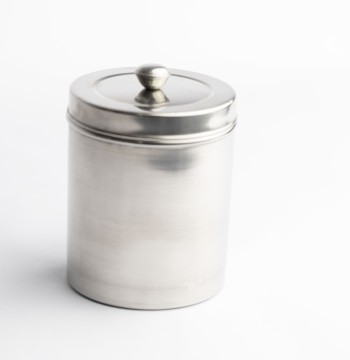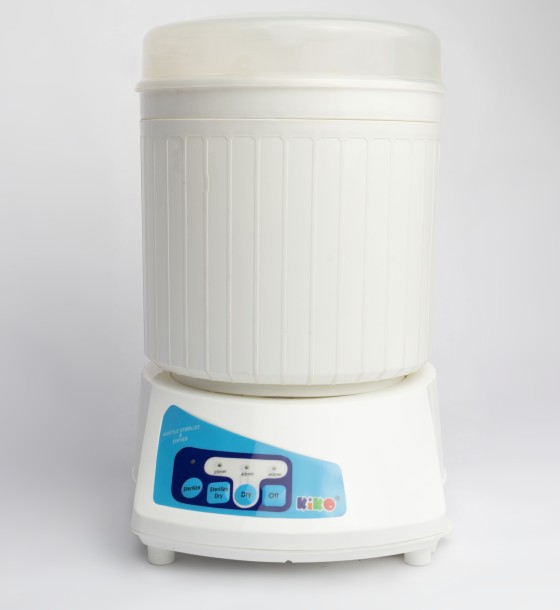
baby bottle sterilize, Teapot Sterilize
368.00
Out of Stock
Sterilizing baby bottles and jugs is an essential step to ensure your baby's health and protect them from germs and bacteria. Here are the appropriate sterilization steps for each:
Sterilizing baby bottles:
1. Initial cleaning:• Rinse the bottle and nipple well with hot water and soap to remove any milk or juice residue.• Use a special bottle cleaning brush to reach the tight spaces inside the bottle.
2. Steam sterilization:• Steam sterilizer: A steam sterilizer can be used that uses water to generate steam to kill germs.• Microwave: The bottle can be sterilized in a microwave sterilizer or using sterilization bags that are placed in the microwave with a little water added.
3. Boiling sterilization:• Boil water in a deep bowl and place the bottle and nipples in the boiling water for 5-10 minutes.• Make sure that all parts of the bottle are completely immersed in the boiling water.
4. Drying:• After sterilization, leave the bottle to dry completely in a clean place, or dry it using a clean, sterilized towel.
Sterilizing the pitcher (or glass pitcher):
1. Initial cleaning:• Wash the pitcher well with warm water and soap to remove any residue.• Use a soft brush or sponge to clean difficult areas.2. Sterilizing by steam or boiling:• Steam: Use a steam sterilizer if available.• Boiling: Fill the pitcher with water and place it on the fire until it starts to boil, then leave it to boil for a few minutes.3. Sterilizing using chemical solutions:• A special sterilizing solution (such as a diluted chlorine solution) can be used to clean the pitcher after washing it.4. Drying:• Leave the pitcher to dry in a clean place after sterilizing it or dry it with a clean towel.
Additional tips:
• Frequency of sterilization: The bottle and pitcher should be sterilized periodically, especially in the first months of the baby’s life.• Checking the condition: Make sure that the nipples, bottles or pitcher do not have any cracks or damage that could be a place for bacteria to collect.• Storage: Store sterilized bottles in a dry, clean place away from contaminants.
Proper sterilization helps reduce the risk of your baby getting intestinal diseases or bacterial infections.
Sterilizing baby bottles:
1. Initial cleaning:• Rinse the bottle and nipple well with hot water and soap to remove any milk or juice residue.• Use a special bottle cleaning brush to reach the tight spaces inside the bottle.
2. Steam sterilization:• Steam sterilizer: A steam sterilizer can be used that uses water to generate steam to kill germs.• Microwave: The bottle can be sterilized in a microwave sterilizer or using sterilization bags that are placed in the microwave with a little water added.
3. Boiling sterilization:• Boil water in a deep bowl and place the bottle and nipples in the boiling water for 5-10 minutes.• Make sure that all parts of the bottle are completely immersed in the boiling water.
4. Drying:• After sterilization, leave the bottle to dry completely in a clean place, or dry it using a clean, sterilized towel.
Sterilizing the pitcher (or glass pitcher):
1. Initial cleaning:• Wash the pitcher well with warm water and soap to remove any residue.• Use a soft brush or sponge to clean difficult areas.2. Sterilizing by steam or boiling:• Steam: Use a steam sterilizer if available.• Boiling: Fill the pitcher with water and place it on the fire until it starts to boil, then leave it to boil for a few minutes.3. Sterilizing using chemical solutions:• A special sterilizing solution (such as a diluted chlorine solution) can be used to clean the pitcher after washing it.4. Drying:• Leave the pitcher to dry in a clean place after sterilizing it or dry it with a clean towel.
Additional tips:
• Frequency of sterilization: The bottle and pitcher should be sterilized periodically, especially in the first months of the baby’s life.• Checking the condition: Make sure that the nipples, bottles or pitcher do not have any cracks or damage that could be a place for bacteria to collect.• Storage: Store sterilized bottles in a dry, clean place away from contaminants.
Proper sterilization helps reduce the risk of your baby getting intestinal diseases or bacterial infections.
Free shipping on orders over 500 SAR
Delivery within 1-3 business days
Sterilizing baby bottles and jugs is an essential step to ensure your baby's health and protect them from germs and bacteria. Here are the appropriate sterilization steps for each:
Sterilizing baby bottles:
1. Initial cleaning:• Rinse the bottle and nipple well with hot water and soap to remove any milk or juice residue.• Use a special bottle cleaning brush to reach the tight spaces inside the bottle.
2. Steam sterilization:• Steam sterilizer: A steam sterilizer can be used that uses water to generate steam to kill germs.• Microwave: The bottle can be sterilized in a microwave sterilizer or using sterilization bags that are placed in the microwave with a little water added.
3. Boiling sterilization:• Boil water in a deep bowl and place the bottle and nipples in the boiling water for 5-10 minutes.• Make sure that all parts of the bottle are completely immersed in the boiling water.
4. Drying:• After sterilization, leave the bottle to dry completely in a clean place, or dry it using a clean, sterilized towel.
Sterilizing the pitcher (or glass pitcher):
1. Initial cleaning:• Wash the pitcher well with warm water and soap to remove any residue.• Use a soft brush or sponge to clean difficult areas.2. Sterilizing by steam or boiling:• Steam: Use a steam sterilizer if available.• Boiling: Fill the pitcher with water and place it on the fire until it starts to boil, then leave it to boil for a few minutes.3. Sterilizing using chemical solutions:• A special sterilizing solution (such as a diluted chlorine solution) can be used to clean the pitcher after washing it.4. Drying:• Leave the pitcher to dry in a clean place after sterilizing it or dry it with a clean towel.
Additional tips:
• Frequency of sterilization: The bottle and pitcher should be sterilized periodically, especially in the first months of the baby’s life.• Checking the condition: Make sure that the nipples, bottles or pitcher do not have any cracks or damage that could be a place for bacteria to collect.• Storage: Store sterilized bottles in a dry, clean place away from contaminants.
Proper sterilization helps reduce the risk of your baby getting intestinal diseases or bacterial infections.
Sterilizing baby bottles:
1. Initial cleaning:• Rinse the bottle and nipple well with hot water and soap to remove any milk or juice residue.• Use a special bottle cleaning brush to reach the tight spaces inside the bottle.
2. Steam sterilization:• Steam sterilizer: A steam sterilizer can be used that uses water to generate steam to kill germs.• Microwave: The bottle can be sterilized in a microwave sterilizer or using sterilization bags that are placed in the microwave with a little water added.
3. Boiling sterilization:• Boil water in a deep bowl and place the bottle and nipples in the boiling water for 5-10 minutes.• Make sure that all parts of the bottle are completely immersed in the boiling water.
4. Drying:• After sterilization, leave the bottle to dry completely in a clean place, or dry it using a clean, sterilized towel.
Sterilizing the pitcher (or glass pitcher):
1. Initial cleaning:• Wash the pitcher well with warm water and soap to remove any residue.• Use a soft brush or sponge to clean difficult areas.2. Sterilizing by steam or boiling:• Steam: Use a steam sterilizer if available.• Boiling: Fill the pitcher with water and place it on the fire until it starts to boil, then leave it to boil for a few minutes.3. Sterilizing using chemical solutions:• A special sterilizing solution (such as a diluted chlorine solution) can be used to clean the pitcher after washing it.4. Drying:• Leave the pitcher to dry in a clean place after sterilizing it or dry it with a clean towel.
Additional tips:
• Frequency of sterilization: The bottle and pitcher should be sterilized periodically, especially in the first months of the baby’s life.• Checking the condition: Make sure that the nipples, bottles or pitcher do not have any cracks or damage that could be a place for bacteria to collect.• Storage: Store sterilized bottles in a dry, clean place away from contaminants.
Proper sterilization helps reduce the risk of your baby getting intestinal diseases or bacterial infections.
0 Reviews for baby bottle sterilize, Teapot Sterilize