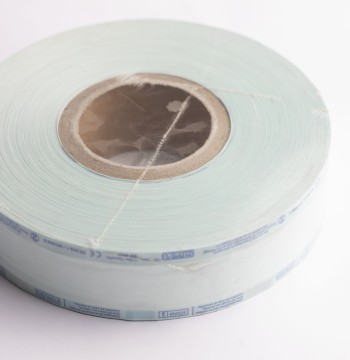
biohazard specimen transport
32.20
In Stock
Biohazard Specimen Transport
Transporting biohazard specimens requires strict adherence to safety protocols to prevent contamination, ensure the integrity of samples, and protect handlers and the environment. These transport solutions are designed to meet regulatory standards for biological materials. ????????
Key Features of Biohazard Specimen Transport Solutions:
1. Secure Containment:- Made with durable, leak-proof materials to prevent spills.
- Sealed with tamper-evident closures for added security.
- Meets IATA, OSHA, and DOT standards for the safe transport of infectious substances.
- Includes appropriate labeling for biohazards.
- Available with insulated designs and ice packs to maintain required temperatures for specimens like blood, urine, or cultures.
- Primary container: Holds the specimen securely (e.g., vials or test tubes).
- Secondary container: Leak-proof pouch or container.
- Tertiary container: Rigid outer packaging for added protection during transport.
- Prominent biohazard symbols ensure handlers are aware of the contents.
- Space for documentation, such as sample details and handling instructions.
Types of Specimen Transport Solutions:
- Bags: Biohazard transport bags with zip closures and document sleeves.
- Boxes: Hard-shell containers for bulk or high-risk transport.
- Coolers: Insulated solutions for temperature-sensitive specimens.
Best Practices for Safe Specimen Transport:
Applications:
- Hospitals and laboratories.
- Diagnostic and research centers.
- Fieldwork in epidemiology or forensic investigations.
???? Pro Tip: If you're transporting biological specimens for extended distances, ensure you have a tracking system in place to monitor transit time and conditions.
Stay compliant and safe with the right biohazard transport solution!
Biohazard Specimen Transport
Transporting biohazard specimens requires strict adherence to safety protocols to prevent contamination, ensure the integrity of samples, and protect handlers and the environment. These transport solutions are designed to meet regulatory standards for biological materials. ????????
Key Features of Biohazard Specimen Transport Solutions:
1. Secure Containment:- Made with durable, leak-proof materials to prevent spills.
- Sealed with tamper-evident closures for added security.
- Meets IATA, OSHA, and DOT standards for the safe transport of infectious substances.
- Includes appropriate labeling for biohazards.
- Available with insulated designs and ice packs to maintain required temperatures for specimens like blood, urine, or cultures.
- Primary container: Holds the specimen securely (e.g., vials or test tubes).
- Secondary container: Leak-proof pouch or container.
- Tertiary container: Rigid outer packaging for added protection during transport.
- Prominent biohazard symbols ensure handlers are aware of the contents.
- Space for documentation, such as sample details and handling instructions.
Types of Specimen Transport Solutions:
- Bags: Biohazard transport bags with zip closures and document sleeves.
- Boxes: Hard-shell containers for bulk or high-risk transport.
- Coolers: Insulated solutions for temperature-sensitive specimens.
Best Practices for Safe Specimen Transport:
Applications:
- Hospitals and laboratories.
- Diagnostic and research centers.
- Fieldwork in epidemiology or forensic investigations.
???? Pro Tip: If you're transporting biological specimens for extended distances, ensure you have a tracking system in place to monitor transit time and conditions.
Stay compliant and safe with the right biohazard transport solution!
0 Reviews for biohazard specimen transport
Related Products

126.50

26.45

39.01
26.00
31.74
175.50