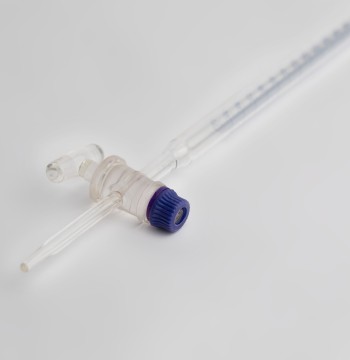
laboratory reagent
312.00
Out of Stock
A laboratory reagent is a substance or compound used to detect, measure, or analyze another substance or to perform a chemical reaction in a laboratory. Reagents are essential tools in various scientific fields such as chemistry, biology, and physics to test samples or determine the components of materials.
Types of Laboratory Reagents:
Chemical Reagents:
- Used to detect or determine the presence or concentration of a particular substance in a sample.
- Examples: Iodine reagent for detecting starch, phenolphthalein reagent for testing the pH of solutions.
Biological Reagents:
- Used to detect living organisms or biological materials.
- Examples: Reagents for detecting specific bacteria or for identifying the presence of live cells or biological compounds in samples.
Spectral Reagents:
- Used to determine the properties of a sample using electromagnetic spectrum techniques.
- Examples: UV or IR reagents for studying a sample's absorption of different wavelengths.
pH Indicators:
- Used to measure the acidity or alkalinity of solutions.
- Examples: Litmus paper and color-changing indicators that shift according to the pH level of a solution.
Enzyme Reagents:
- Used to detect enzymes or enzyme reactions in samples.
- Examples: Reagents in assays that detect enzyme activity or the presence of specific enzymes in biological samples.
How to Use Reagents in the Laboratory:
Uses of Laboratory Reagents:
???? Chemical Analysis: Reagents are used to test for the presence of chemical components in samples. ???? Chemical Reactions: Testing various reactions between different substances using different reagents. ???? Biological Testing: Detecting microorganisms or biological materials in samples. ???? Scientific Research: Used in research to analyze and determine the properties of materials and samples.
Safety Precautions:
⚠️ Always use reagents in a safe environment, and under supervision if needed. ⚠️ Wear gloves, goggles, and protective clothing when handling chemical or toxic reagents. ⚠️ Follow the proper handling and disposal instructions for each reagent. ⚠️ Store reagents in designated, safe areas to avoid accidents.
A laboratory reagent is a substance or compound used to detect, measure, or analyze another substance or to perform a chemical reaction in a laboratory. Reagents are essential tools in various scientific fields such as chemistry, biology, and physics to test samples or determine the components of materials.
Types of Laboratory Reagents:
Chemical Reagents:
- Used to detect or determine the presence or concentration of a particular substance in a sample.
- Examples: Iodine reagent for detecting starch, phenolphthalein reagent for testing the pH of solutions.
Biological Reagents:
- Used to detect living organisms or biological materials.
- Examples: Reagents for detecting specific bacteria or for identifying the presence of live cells or biological compounds in samples.
Spectral Reagents:
- Used to determine the properties of a sample using electromagnetic spectrum techniques.
- Examples: UV or IR reagents for studying a sample's absorption of different wavelengths.
pH Indicators:
- Used to measure the acidity or alkalinity of solutions.
- Examples: Litmus paper and color-changing indicators that shift according to the pH level of a solution.
Enzyme Reagents:
- Used to detect enzymes or enzyme reactions in samples.
- Examples: Reagents in assays that detect enzyme activity or the presence of specific enzymes in biological samples.
How to Use Reagents in the Laboratory:
Uses of Laboratory Reagents:
???? Chemical Analysis: Reagents are used to test for the presence of chemical components in samples. ???? Chemical Reactions: Testing various reactions between different substances using different reagents. ???? Biological Testing: Detecting microorganisms or biological materials in samples. ???? Scientific Research: Used in research to analyze and determine the properties of materials and samples.
Safety Precautions:
⚠️ Always use reagents in a safe environment, and under supervision if needed. ⚠️ Wear gloves, goggles, and protective clothing when handling chemical or toxic reagents. ⚠️ Follow the proper handling and disposal instructions for each reagent. ⚠️ Store reagents in designated, safe areas to avoid accidents.
0 Reviews for laboratory reagent