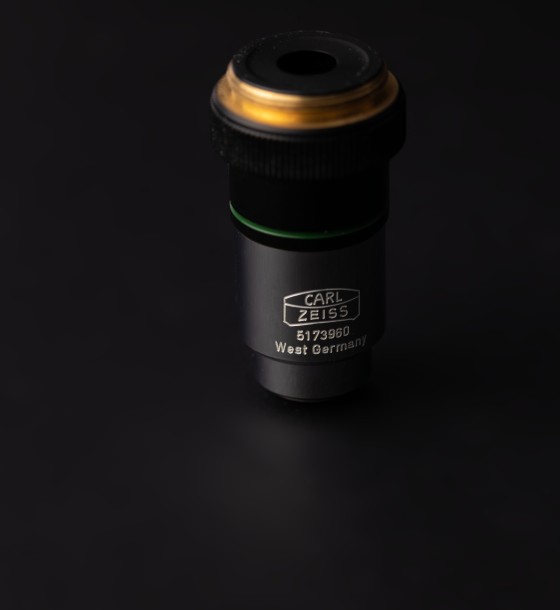
plan objective microcosmos
234.00
In Stock
A Mini-Scientist Plan (Objective) is an educational or research plan designed to explore a specific topic in depth and apply scientific methods to obtain objective results. This type of plan is typically used in science experiments or research projects across various fields such as biology, physics, chemistry, or even social studies.
Components of a Mini-Scientist Objective Plan:
Title:
- Choose a clear and precise title for the research or experiment.
- The title should reflect the scope of the research or experiment.
Introduction:
- Provide background information on the topic being explored.
- Define the main objectives of the research or experiment.
- Explain the significance of the topic in a scientific or practical context.
Research Question:
- Formulate a question or several questions that will be focused on throughout the research.
- Example: "How does light affect plant growth?" or "What is the relationship between temperature and the rate of a chemical reaction?"
Hypothesis:
- Present a scientific hypothesis that you expect to answer after conducting the experiment.
- The hypothesis should be testable and falsifiable.
- Example: "If the light increases, the plant growth will also increase."
Methodology:
- Explain how the experiment or research will be conducted in detail.
- List the necessary tools and materials.
- Outline the steps to be followed.
- Ensure that the methodology is objective and ensures accurate data collection.
Observations and Data:
- Collect data through observation or experimentation.
- Data should be recorded accurately and systematically.
- Tables or graphs can be used to display data visually.
Analysis:
- Analyze the data obtained from the experiment or research.
- Compare the results with the hypothesis: Did the results match your expectations? Why or why not?
- Use appropriate analytical tools, such as averages, standard deviations, or graphs.
Conclusion:
- Draw a conclusion based on the data and results.
- Answer the research question.
- Discuss whether the hypothesis was correct or not and the reasons for that.
References:
- List the sources and references used in the research.
- References should be scientific and reliable.
Example of a "Mini-Scientist Objective Plan":
Title:"The Effect of Different Temperatures on the Rate of Chemical Reactions."
Research Question:How does the temperature affect the rate of the reaction between hydrochloric acid and sodium carbonate?
Hypothesis:If the temperature increases, the rate of reaction between hydrochloric acid and sodium carbonate will increase.
Methodology:- Materials: Hydrochloric acid, sodium carbonate, thermometer, stopwatch.
- Steps:
- Measure equal amounts of hydrochloric acid and sodium carbonate.
- Conduct the reaction at three different temperatures: 20°C, 40°C, and 60°C.
- Measure the time taken for the reaction to complete at each temperature.
- Record the time taken for the reaction to complete at each temperature.
- Compare the time it took for the reaction at different temperatures.
- Use graphs to show the relationship between temperature and reaction rate.
- Determine whether the hypothesis was correct based on the analysis of the results.
A Mini-Scientist Plan (Objective) is an educational or research plan designed to explore a specific topic in depth and apply scientific methods to obtain objective results. This type of plan is typically used in science experiments or research projects across various fields such as biology, physics, chemistry, or even social studies.
Components of a Mini-Scientist Objective Plan:
Title:
- Choose a clear and precise title for the research or experiment.
- The title should reflect the scope of the research or experiment.
Introduction:
- Provide background information on the topic being explored.
- Define the main objectives of the research or experiment.
- Explain the significance of the topic in a scientific or practical context.
Research Question:
- Formulate a question or several questions that will be focused on throughout the research.
- Example: "How does light affect plant growth?" or "What is the relationship between temperature and the rate of a chemical reaction?"
Hypothesis:
- Present a scientific hypothesis that you expect to answer after conducting the experiment.
- The hypothesis should be testable and falsifiable.
- Example: "If the light increases, the plant growth will also increase."
Methodology:
- Explain how the experiment or research will be conducted in detail.
- List the necessary tools and materials.
- Outline the steps to be followed.
- Ensure that the methodology is objective and ensures accurate data collection.
Observations and Data:
- Collect data through observation or experimentation.
- Data should be recorded accurately and systematically.
- Tables or graphs can be used to display data visually.
Analysis:
- Analyze the data obtained from the experiment or research.
- Compare the results with the hypothesis: Did the results match your expectations? Why or why not?
- Use appropriate analytical tools, such as averages, standard deviations, or graphs.
Conclusion:
- Draw a conclusion based on the data and results.
- Answer the research question.
- Discuss whether the hypothesis was correct or not and the reasons for that.
References:
- List the sources and references used in the research.
- References should be scientific and reliable.
Example of a "Mini-Scientist Objective Plan":
Title:"The Effect of Different Temperatures on the Rate of Chemical Reactions."
Research Question:How does the temperature affect the rate of the reaction between hydrochloric acid and sodium carbonate?
Hypothesis:If the temperature increases, the rate of reaction between hydrochloric acid and sodium carbonate will increase.
Methodology:- Materials: Hydrochloric acid, sodium carbonate, thermometer, stopwatch.
- Steps:
- Measure equal amounts of hydrochloric acid and sodium carbonate.
- Conduct the reaction at three different temperatures: 20°C, 40°C, and 60°C.
- Measure the time taken for the reaction to complete at each temperature.
- Record the time taken for the reaction to complete at each temperature.
- Compare the time it took for the reaction at different temperatures.
- Use graphs to show the relationship between temperature and reaction rate.
- Determine whether the hypothesis was correct based on the analysis of the results.
0 Reviews for plan objective microcosmos