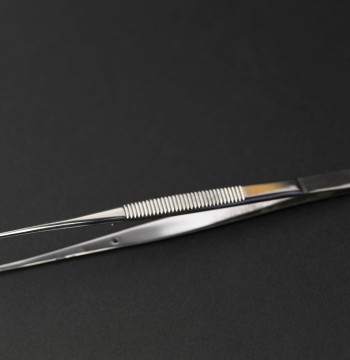
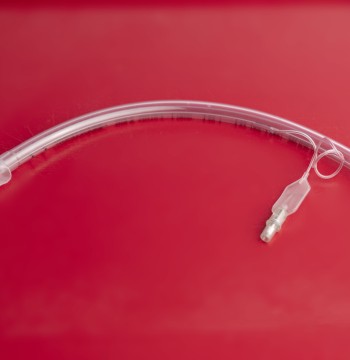
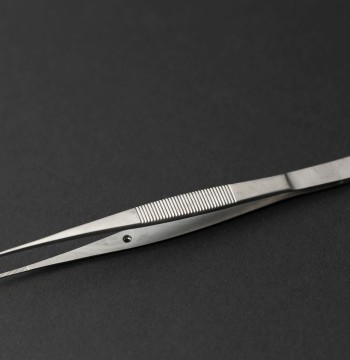
tracheotomy tube

0.0

51.75

In Stock

A tracheotomy tube is a medical device inserted into the trachea (windpipe) through a surgically created hole in the neck (called a tracheostomy) to help a person breathe. This procedure is usually performed when a patient has difficulty breathing due to obstruction, injury, or medical conditions that affect the airway, such as chronic respiratory failure or a severe allergic reaction.

Key Features of a Tracheotomy Tube:

  • Material: Tracheotomy tubes are typically made from materials such as medical-grade silicone, PVC (polyvinyl chloride), or stainless steel, depending on whether the tube is for short-term or long-term use.
  • Cuff: Some tracheotomy tubes feature an inflatable cuff that can be inflated to create a secure seal in the trachea, preventing air from escaping around the tube and ensuring proper ventilation. Cuffed tubes are generally used for patients who are receiving mechanical ventilation.
  • Inner Cannula: Many tracheotomy tubes have an inner cannula that can be removed and cleaned, which makes maintaining the airway easier and reduces the risk of infection.
  • Size Variability: Tracheotomy tubes come in different sizes to accommodate patients of various ages and anatomies, from infants to adults.
  • Uses of a Tracheotomy Tube:

  • Airway Management: It provides a direct airway to the lungs, bypassing any obstructions in the upper respiratory tract.
  • Mechanical Ventilation: It allows for easy connection to a ventilator or other respiratory devices for patients who are unable to breathe independently.
  • Long-term Respiratory Support: For patients with chronic conditions such as neuromuscular diseases, severe obstructive sleep apnea, or spinal cord injuries, the tracheotomy tube can provide long-term breathing support.
  • Surgical Recovery: After certain surgeries involving the head, neck, or mouth, a tracheotomy may be necessary to maintain proper airflow while the body heals.
  • Types of Tracheotomy Tubes:

  • Cuffed Tracheotomy Tubes: These are used for patients who need mechanical ventilation or are at risk of aspiration (inhalation of food or liquids into the lungs). The cuff is inflated to seal the trachea and prevent leaks.
  • Uncuffed Tracheotomy Tubes: These are typically used for patients who no longer require mechanical ventilation, or when there is a need for easier speech production.
  • Fenestrated Tracheotomy Tubes: These have small holes (fenestrations) in the tube, which allow air to pass through the upper airway, enabling the patient to speak. These are used for patients who are starting to wean off mechanical ventilation.
  • Important Considerations:

    • Regular Cleaning: Tracheotomy tubes require regular cleaning to prevent infection, mucus buildup, and blockage.
    • Monitoring and Care: Proper care and monitoring by healthcare professionals are essential to ensure the tube remains in place and the airway is clear.
    • Complications: Possible complications of tracheotomy tubes include infections, tube dislodgement, and airway blockage, so proper care and observation are critical.

    Tracheotomy tubes are crucial for patients who require long-term airway support, helping them breathe and, in some cases, enabling communication and speech.

    Free shipping on orders over 500 SAR
    Delivery within 1-3 business days

    A tracheotomy tube is a medical device inserted into the trachea (windpipe) through a surgically created hole in the neck (called a tracheostomy) to help a person breathe. This procedure is usually performed when a patient has difficulty breathing due to obstruction, injury, or medical conditions that affect the airway, such as chronic respiratory failure or a severe allergic reaction.

    Key Features of a Tracheotomy Tube:

  • Material: Tracheotomy tubes are typically made from materials such as medical-grade silicone, PVC (polyvinyl chloride), or stainless steel, depending on whether the tube is for short-term or long-term use.
  • Cuff: Some tracheotomy tubes feature an inflatable cuff that can be inflated to create a secure seal in the trachea, preventing air from escaping around the tube and ensuring proper ventilation. Cuffed tubes are generally used for patients who are receiving mechanical ventilation.
  • Inner Cannula: Many tracheotomy tubes have an inner cannula that can be removed and cleaned, which makes maintaining the airway easier and reduces the risk of infection.
  • Size Variability: Tracheotomy tubes come in different sizes to accommodate patients of various ages and anatomies, from infants to adults.
  • Uses of a Tracheotomy Tube:

  • Airway Management: It provides a direct airway to the lungs, bypassing any obstructions in the upper respiratory tract.
  • Mechanical Ventilation: It allows for easy connection to a ventilator or other respiratory devices for patients who are unable to breathe independently.
  • Long-term Respiratory Support: For patients with chronic conditions such as neuromuscular diseases, severe obstructive sleep apnea, or spinal cord injuries, the tracheotomy tube can provide long-term breathing support.
  • Surgical Recovery: After certain surgeries involving the head, neck, or mouth, a tracheotomy may be necessary to maintain proper airflow while the body heals.
  • Types of Tracheotomy Tubes:

  • Cuffed Tracheotomy Tubes: These are used for patients who need mechanical ventilation or are at risk of aspiration (inhalation of food or liquids into the lungs). The cuff is inflated to seal the trachea and prevent leaks.
  • Uncuffed Tracheotomy Tubes: These are typically used for patients who no longer require mechanical ventilation, or when there is a need for easier speech production.
  • Fenestrated Tracheotomy Tubes: These have small holes (fenestrations) in the tube, which allow air to pass through the upper airway, enabling the patient to speak. These are used for patients who are starting to wean off mechanical ventilation.
  • Important Considerations:

    • Regular Cleaning: Tracheotomy tubes require regular cleaning to prevent infection, mucus buildup, and blockage.
    • Monitoring and Care: Proper care and monitoring by healthcare professionals are essential to ensure the tube remains in place and the airway is clear.
    • Complications: Possible complications of tracheotomy tubes include infections, tube dislodgement, and airway blockage, so proper care and observation are critical.

    Tracheotomy tubes are crucial for patients who require long-term airway support, helping them breathe and, in some cases, enabling communication and speech.

    Related Products

    Customers Also Bought